
Berkeley Varitronics Octopus 4G LTE
4.6Editor score
True RSRP measurements
No SIM required
US made quality
Finding the right cellular signal meter for antenna aiming is crucial for installing reliable boosters. A good meter provides accurate readings to ensure your antenna points in the optimal direction for maximum strength.
We compared ten leading models based on frequency coverage, accuracy, battery life, and ease of use. Our analysis highlights tools suitable for professionals and DIY enthusiasts alike.
Each pick shows key features and real-world performance notes. Keep in mind that product availability and pricing may change frequently, so verify details before purchasing.
4.6Editor score

4.3Editor score

4.5Editor score
As an Amazon Associate we earn from qualifying purchases.
The following table offers a side-by-side comparison of all ten products. Review the specifications to identify the model that best fits your specific antenna aiming needs.


This SureCall meter stands out as the most versatile tool for general cellular booster installation. It earns a high rating due to its ability to measure five distinct frequency bands used by major carriers.
We may earn a commission when you buy through this link, at no additional cost to you.
The five band coverage ensures you can test PCS, Cellular, AWS, and LTE signals with one device. This versatility saves time compared to using multiple narrowband tools.
The rechargeable design and backlight improve usability during long installation sessions or in low light conditions. It offers a robust build suitable for field work.
Installers should choose this meter when they need broad compatibility across different network technologies. It remains a top recommendation for professional setups.
Supports 1930-1995 PCS, 869-894 Cellular, 2110-2155 AWS, and LTE bands for complete carrier coverage.
Features rechargeable NiMH batteries and a controllable backlight for extended use in varied environments.
We may earn a commission when you buy through this link, at no additional cost to you.
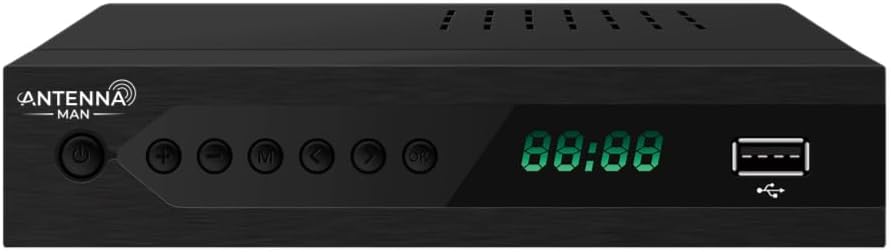
While not a dedicated cellular meter, this tool offers a simple way to check signal strength for broadcast antennas. It is often used alongside cellular setups for general antenna aiming tasks.
We may earn a commission when you buy through this link, at no additional cost to you.
Its plug and play design allows users to get real time signal readings quickly without complex configuration. This makes it accessible for beginners.
The limitation is its focus on ATSC digital converter boxes rather than cellular frequencies. It is less suitable for specific LTE aiming.
Buyers looking for a general antenna aid might find this useful. It serves a niche role in combined RF installation projects.
Plug and play functionality allows immediate real-time signal strength checks.
Primarily designed for ATSC signals and recording capabilities rather than cellular data.
We may earn a commission when you buy through this link, at no additional cost to you.
The Berkeley Varitronics Octopus delivers professional grade precision for critical installations. It supports true RSRP, RSRQ, and RSSI measurements which are essential for accurate aiming.
We may earn a commission when you buy through this link, at no additional cost to you.
Users benefit from the fact that no SIM cards or subscriptions are required. This removes ongoing costs and simplifies the testing process for IoT and booster sites.
The device is designed and manufactured in the U.S.A. ensuring high quality control. It is perfect for EV charging stations and utility telematics.
This premium tool is best for engineers who need the most accurate data. It justifies its investment for large scale deployments.
Provides true RSRP, RSRQ, and RSSI 4G LTE measurements for precise optimization.
Supports AT&T, Verizon, T-Mobile and all U.S. regional carriers without extra fees.
We may earn a commission when you buy through this link, at no additional cost to you.
This spectrum analyzer covers a wide range from 15MHz to 6.1GHz. It offers advanced tools for engineers who need detailed interference analysis.
We may earn a commission when you buy through this link, at no additional cost to you.
The 8-inch high definition touchscreen provides clear real-time visualization. Features like GPS heatmap help locate signal sources accurately.
While powerful, the device requires some training to use effectively. It is more complex than basic meters but offers superior data.
Professionals needing detailed spectrum views will appreciate this tool. It is ideal for finding hidden interference sources.
Features an 8-inch HD touchscreen for clear real-time RF signal visualization.
Includes GPS heatmap, waterfall display, and tracking generator for deep diagnostics.
We may earn a commission when you buy through this link, at no additional cost to you.
This kit is designed for advanced Wi-Fi 6 and Bluetooth testing. It helps validate network performance for critical services using directional antennas.
We may earn a commission when you buy through this link, at no additional cost to you.
Features include tri-band physical location detection and remote collaboration tools. Engineers can work together across sites to solve tough problems.
The system is comprehensive but focuses on Wi-Fi rather than cellular signals. It includes a dedicated spectrum analyzer adapter.
Network administrators should choose this for complex Wi-Fi deployments. It simplifies site surveys and data management.
Quickly find physical locations of access points on 2.4GHz, 5GHz, and 6GHz bands.
AirMapper site survey enables remote engineers to assist technicians in the field.
We may earn a commission when you buy through this link, at no additional cost to you.
This meter is designed for high frequency EMF measurements. It is ideal for checking mobile phones and base stations for safety compliance.
We may earn a commission when you buy through this link, at no additional cost to you.
The triaxial probe allows non-directional isotropic measurements. This ensures you capture all radiation regardless of angle.
It allows manual store and recall of up to 99 sets. However, it lacks detailed frequency targeting.
Safety officers can use this for general EMF checks. It is less specialized for precise antenna aiming.
Triaxial measurement probe ensures accurate non-directional EMF readings.
Manual store and recall up to 99 sets for tracking changes.
We may earn a commission when you buy through this link, at no additional cost to you.
This analyzer offers a 4.3 inch touchscreen and wide frequency sweep. It covers HF, VHF, and UHF bands for antenna tuning.
We may earn a commission when you buy through this link, at no additional cost to you.
Users can measure SWR to check antenna efficiency. The TDR mode helps locate cable issues quickly.
Note that firmware cannot be updated safely. It is best for hobbyists tuning amateur radio setups.
Installers focusing on antenna matching will find this useful. It helps optimize impedance and SWR.
Frequency range of 0.1 to 1300MHz covers multiple radio bands.
Time Domain Reflectometry mode allows cable diagnostics and fault finding.
We may earn a commission when you buy through this link, at no additional cost to you.
The SA6 integrates a spectrum analyzer and signal generator. It supports 2G through 4G LTE and WiFi signals effectively.
We may earn a commission when you buy through this link, at no additional cost to you.
Features include a 3.2-inch touchscreen and USB connectivity. The tracking generator aids in filter testing.
It is lightweight and portable for field testing. Battery life supports several hours of continuous use.
Budget-conscious technicians might prefer this for basic RF work. It offers good value for multi-function testing.
Switch modes instantly for RF testing with built-in signal generator.
USB Type-C port supports data transmission and PC logging.
We may earn a commission when you buy through this link, at no additional cost to you.
This handheld version offers a rugged design suitable for tight spaces. It covers the 35 to 6200MHz range for common wireless technologies.
We may earn a commission when you buy through this link, at no additional cost to you.
It includes a tracking generator for filter and amplifier characterization. The kit comes with cables and a stylus.
Sweep speeds are fast for rapid environment assessment. It fits well in small pockets for technicians.
Technicians needing a portable solution will find this practical. It ensures quick diagnostics on-site.
Compact 5.9 inch housing built for work in tight spaces.
Full-span scan and fast sweep rates for quick assessments.
We may earn a commission when you buy through this link, at no additional cost to you.
This tool is excellent for Over-the-Air antenna alignment. It displays signal levels and SNR for precise tuning.
We may earn a commission when you buy through this link, at no additional cost to you.
The color touchscreen and stylus allow easy adjustments. It includes a protective carrying case.
While it works well for TV, it is not suitable for cellular. It focuses on ATSC frequencies only.
Installers working on TV antennas will find this helpful. It provides clear metrics for better reception.
Displays RF signal level and Signal to Noise Ratio clearly.
Includes stylus pen and protective carrying case for travel.
We may earn a commission when you buy through this link, at no additional cost to you.
Selecting the right tool requires understanding your specific needs. Consider factors like frequency bands and accuracy.
Ensure the meter covers the bands used by your carrier. Different providers use PCS, AWS, and LTE frequencies.
Choose a device with broad spectrum support for versatile aiming.
High sensitivity ensures you detect weak signals correctly. Look for dBm measurements for precision.
Better accuracy leads to more efficient installations.
Field work often requires long hours of operation. Rechargeable batteries save costs over time.
Check runtime specifications to plan your work day.
Intuitive interfaces help reduce errors during installation. Touchscreens can simplify navigation.
Opt for models with clear displays for quick reading.
Lightweight devices are easier to carry on-site. Compact designs fit better in tool bags.
Prioritize portability if you travel frequently.
Some meters offer spectrum analysis or tracking generators. These features help identify interference.
Decide if you need advanced diagnostic tools.
Cost varies based on features and brand. Set a realistic budget for your needs.
Higher price often correlates with better precision.
Trusted brands offer better reliability and support. Check reviews for common issues.
Select established manufacturers for professional use.
Connect the meter to your antenna system properly. Ensure all cables are secure for accurate readings.
Turn on the device and select the correct frequency band. Use the display to monitor signal strength in real time.
Adjust the antenna position slowly until the reading peaks. Store the meter in a protective case when not in use.
A cellular meter focuses on specific network bands for aiming. A spectrum analyzer shows a broad range of frequencies for interference.
Most dedicated meters do not require SIM cards. Some devices like the Octopus offer testing without subscriptions.
No, TV meters focus on ATSC frequencies. They do not cover cellular bands like LTE or AWS.
Typically 3 to 5 hours of continuous use. Check specs for specific runtime details before buying.
Professional tools may need periodic calibration. Hobbyist units often come calibrated from the factory.
They are available through online retailers and specialty stores. Always check for official warranty support.
Advanced analyzers can detect interference sources. Basic meters show signal strength but lack detailed analysis.
Avoid touching high voltage components. Ensure the device is rated for your specific frequency ranges.
The SureCall and Berkeley Varitronics meters are top choices for cellular work. They offer the necessary precision and band coverage.
Prioritize accuracy and ease of use for best results. Consider the environment where you will use the tool.
Always verify current availability and warranties before purchasing. The market changes often.