
Handheld Fish Finder Portable Fishing Kayak Fishfinder Fish Depth Finder Fishing Gear with Sonar Transducer and LCD Display
4.2Editor score
Portable neck strap design
4 AAA battery power source
328 foot depth detection
Finding a reliable sonar unit does not require spending a fortune on premium electronics. Affordable fishfinders now offer essential features like depth reading and fish arches for anglers on a budget.
We analyzed ten highly rated models based on user feedback, core sonar capabilities, and ease of use. This list covers handheld units, portable castables, and mounted displays for boats.
Each pick highlights specific strengths such as battery life, screen clarity, or mapping tools. Prices fluctuate often so check current listings before making your final purchase decision.
4.2Editor score
4.5Editor score

4.7Editor score
As an Amazon Associate we earn from qualifying purchases.
This side-by-side comparison evaluates all ten selected fishfinder models across key performance metrics and user experience factors.


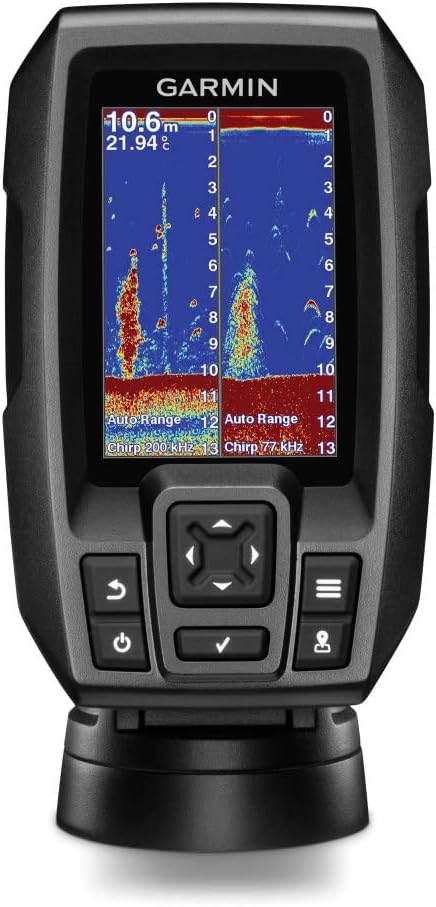
The Garmin Striker 4 stands out as the top choice for anglers needing reliable performance without a high price tag. It features a 4.5 rating from users who appreciate its robust sonar capabilities.
We may earn a commission when you buy through this link, at no additional cost to you.
Its ClearVu scanning sonar provides near photographic images of underwater structures and fish arches. The CHIRP technology sends continuous frequency sweeps for improved target separation and crisper displays.
While the display size is compact at 3.5 inches, the interface remains easy to use with dedicated buttons. Installation is straightforward though it requires a direct power connection to your boat.
This unit is ideal for those wanting premium sonar features on a budget. It balances advanced scanning technology with simple navigation tools effectively.
ClearVu scanning sonar delivers detailed underwater views that help identify fish holding spots accurately.
The built-in GPS allows you to mark waypoints and navigate back to productive fishing spots easily.
We may earn a commission when you buy through this link, at no additional cost to you.
The Lowrance Eagle is a versatile fishfinder known for its user-friendly interface and reliable sonar performance. It holds a strong user rating due to its ease of use.
We may earn a commission when you buy through this link, at no additional cost to you.
Its Auto-Tuning Sonar feature automatically provides optimized settings so you can focus on finding fish rather than adjusting dials. The 4-inch IPS portrait screen stays clear in bright sunlight and through polarized sunglasses.
The twist-lock connector makes connecting and removing the display simple, which is great for portable setups. While it lacks extensive mapping options compared to high-end units, it excels at basic sonar tasks.
This model suits anglers who want less adjustment time and more fishing time. It is a practical choice for kayaks and small boats where space is limited.
Auto-Tuning Sonar ensures you get clear readings without needing to manually tweak frequency or gain settings.
The compact portrait design fits well in tight spaces on smaller vessels or kayaks.
We may earn a commission when you buy through this link, at no additional cost to you.
This handheld unit offers an affordable entry point for anglers who need basic depth and fish location data. It rates well for its portability and ease of setup.
We may earn a commission when you buy through this link, at no additional cost to you.
It shows water depth, approximate fish location, and even fish size on its LCD display. You can toss the transducer into the water and turn on the unit to see data immediately.
The device runs on four AAA batteries which are easy to replace when needed. It also features a neck strap for when you are busy on the kayak or moving around.
This is perfect for shore fishing or kayaking where mounting a larger unit is not feasible. It provides essential data without the need for complex installation.
Simply toss the transducer into the water and power on the display to get instant depth readings.
The unit functions correctly in both freshwater and saltwater environments for all types of fishing.
We may earn a commission when you buy through this link, at no additional cost to you.
The Garmin Striker Vivid 4cv delivers premium features that justify its higher cost for serious anglers. It holds an impressive 4.7 rating due to its advanced scanning technology.
We may earn a commission when you buy through this link, at no additional cost to you.
Its Vivid scanning sonar color palettes make it easy to distinguish fish and structure at a glance. The included GT20 transducer supports both traditional CHIRP and ClearVü scanning sonar for broad coverage.
Built-in Quickdraw contours mapping provides real-time bathymetric mapping as you fish. This feature is rare at this price point and adds significant value for exploration.
If you want the best visual clarity and mapping tools without a flagship price, this is the model to choose. It balances performance and usability exceptionally well.
Vivid color palettes ensure you can spot fish targets clearly even in varying light conditions.
Quickdraw contours allow you to see bottom contours and structure as you navigate the water.
We may earn a commission when you buy through this link, at no additional cost to you.
The PiranhaMAX 4 is a reliable workhorse for anglers who prioritize sonar flexibility over advanced mapping features. It has a solid reputation for clarity in detecting fish.
We may earn a commission when you buy through this link, at no additional cost to you.
Its Dual Beam Sonar allows you to choose between a narrow beam for detail or a wide beam for coverage. This flexibility helps identify fish and structure effectively.
The tilt and swivel mount quickly adjusts your viewing area angle which is helpful in bright conditions. Installation is straightforward with the included transom-mount transducer.
This unit is ideal for small boats where GPS is not a priority. It delivers clear sonar data with minimal setup effort.
Dual Beam technology lets you switch between detailed narrow scans and broad area coverage easily.
The tilt and swivel mount ensures you can see the screen clearly from any position.
We may earn a commission when you buy through this link, at no additional cost to you.
This LUCKY unit provides essential data for kayak anglers who need something lightweight and effective. It is designed specifically for portable fishing scenarios.
We may earn a commission when you buy through this link, at no additional cost to you.
It displays approximate fish location and water depth alongside details like short and tall weeds. The castable transducer can be attached to the hull of a kayak for moving use.
With five levels of sensitivity adjustment, you can tune the device for clear or turbid water. The unit is compact enough to hold in one hand while fishing.
It serves as a practical tool for shore or boat fishing without heavy investment. Its simplicity makes it a reliable backup for main units.
Beyond just depth, it shows bottom composition and weed height to help understand fish habitat.
Adjustable sensitivity ensures you can filter out noise in different water conditions.
We may earn a commission when you buy through this link, at no additional cost to you.
The Helix 5 brings advanced mapping and navigation capabilities to those ready to upgrade. It offers a robust suite of tools for finding productive waters.
We may earn a commission when you buy through this link, at no additional cost to you.
Its Dual Spectrum CHIRP Sonar delivers views of fish arches and structure with both wide and narrow modes. The included Basemap covers over 10,000 lakes and coastlines.
AutoChart Live creates maps of depth contours while you boat giving you real-time insights. This feature makes exploring new waters significantly more efficient.
This model is best for anglers who want to combine sonar with serious navigation. It balances detailed data with intuitive controls.
AutoChart Live creates depth contour maps on the fly as you navigate.
Dual Spectrum CHIRP allows for clear separation of fish and bottom structure.
We may earn a commission when you buy through this link, at no additional cost to you.
This wireless unit eliminates the need for drilling holes in your boat hull. It offers a convenient way to get sonar data with a castable sensor.
We may earn a commission when you buy through this link, at no additional cost to you.
The maximum distance between the sensor and handheld unit is 262 feet. You can tether the sensor to your line and cast it wherever you want to fish.
It detects depth temperature and bottom contour clearly on a color display. The unit is suitable for ice fishing and shore fishing as well.
Ideal for boaters who want temporary sonar setups. It simplifies installation and removal significantly compared to wired units.
You can cast the sensor out without modifying your boat structure at all.
Works well for ice shore and kayak fishing scenarios without permanent mounting.
We may earn a commission when you buy through this link, at no additional cost to you.
This unit features a large HD display that makes reading data easy. It is designed for portable use with rechargeable components.
We may earn a commission when you buy through this link, at no additional cost to you.
It supports 147 feet depth detection which covers most typical fishing waters. The wireless sonar sensor turns on automatically when touching water.
The fish alarm function shows and emits an alarm when fish pass by the sensor. It also displays fish size and water temperature for added convenience.
This is a good choice for casual anglers who want wireless convenience. Its design makes it user-friendly for all experience levels.
The fish alarm function displays icons and sounds alerts to notify you immediately.
The sensor turns on automatically when it contacts water saving battery life.
We may earn a commission when you buy through this link, at no additional cost to you.
This unit uses both sonar and radio frequencies for stable transmission. It is built for versatile fishing across different environments.
We may earn a commission when you buy through this link, at no additional cost to you.
It is equipped with two functional airwave frequencies allowing you to tune readings without complexity. The sensor can be mounted on a boat or fishing rod.
Both the receiver and sensor are rechargeable for extended use without battery replacements. It works for ice fishing and lake fishing alike.
This is a solid option for anglers seeking flexibility and dual frequency tuning. It delivers reliable data across various water types.
Supports both Sonar and Radio frequencies for better transmission stability.
The sensor can be mounted on a boat or rod depending on your setup needs.
We may earn a commission when you buy through this link, at no additional cost to you.
Selecting the right fishfinder requires balancing your budget with the features you need for your specific fishing style.
Sonar frequency impacts clarity and detail. Standard 200 kHz is sufficient for most freshwater applications while CHIRP technology offers better fish arches and target separation.
Look for CHIRP or scanning sonar for improved depth and detail without needing expensive models.
Screen size affects readability. Small 3 to 4 inch screens are portable while larger ones offer better view. A clear display is vital in bright sunlight.
Choose a display that fits your boat space and provides high contrast for visibility.
Built-in GPS allows waypoint marking and route tracking. Units with mapping capabilities add value for exploring new waters but increase cost.
Prioritize GPS if you often fish unfamiliar lakes or need navigation help.
The transducer is the sensor that sends sound waves. Wired units offer stability while wireless castables provide flexibility. Ensure compatibility with your water depth and boat.
Select a transducer that matches your fishing environment and mounting capabilities.
Since water exposure is inevitable a waterproof rating like IPX7 ensures protection against splashes or immersion. This durability extends the device lifespan.
Always verify the waterproof rating before buying to avoid water damage risks.
Portable units often rely on battery power. Check battery life duration and charging options to ensure the unit lasts for your fishing trips.
Look for models with long battery life or rechargeable options to avoid interruptions.
User interface complexity varies. Simple menus and dedicated buttons are preferred for quick adjustments. A steep learning curve can hinder enjoyment.
Choose a model with an intuitive interface that fits your technical comfort level.
Warranty coverage indicates manufacturer confidence. A longer warranty protects against defects and ensures access to support if issues arise.
Check warranty terms carefully to ensure peace of mind after purchase.
Mount the transducer securely at least one foot below the surface and aligned with the boat's keel. Ensure no air bubbles are trapped in the transducer housing for accurate readings.
Keep the display clean and free of salt residue by rinsing with fresh water after every use. Dry all connectors thoroughly to prevent corrosion and ensure good electrical contact.
For handheld models, ensure fresh batteries are installed before heading out. Store the unit in a dry case to prevent physical damage and moisture buildup when not in use.
Many affordable units are designed to work in both fresh and salt water provided they are rated waterproof. Always check the specific water resistance rating like IPX7 before taking it into the ocean.
Not all cheap units require permanent installation. Handheld and wireless castable fishfinders can be used without drilling holes making them ideal for temporary or portable setups.
CHIRP sonar sweeps multiple frequencies at once which provides better target separation and clearer fish arches. This makes it easier to distinguish between fish and weeds or rocks.
Depth range varies by model but many affordable units reach depths of 300 feet or more. This is typically sufficient for most freshwater lakes and shallow coastal areas.
Units with IPS screens or high contrast LCDs are generally readable in sunlight. However very bright environments may require adjusting backlight settings or using a sunshade.
Most portable handhelds run for about 4 to 6 hours on fresh batteries. Rechargeable models typically offer similar run times depending on usage and screen brightness.
We highlighted the Garmin Striker 4 as the top choice for its superior sonar technology and GPS integration. For those seeking basic affordability the handheld option offers essential depth data at a low cost.
Prioritize the features that match your primary fishing style. If mapping is key choose the Vivid model but if portability is essential consider the wireless or handheld alternatives.
Remember to check current listings for prices before purchasing as they fluctuate often. Selecting the right model ensures you catch more fish without overspending on unnecessary features.