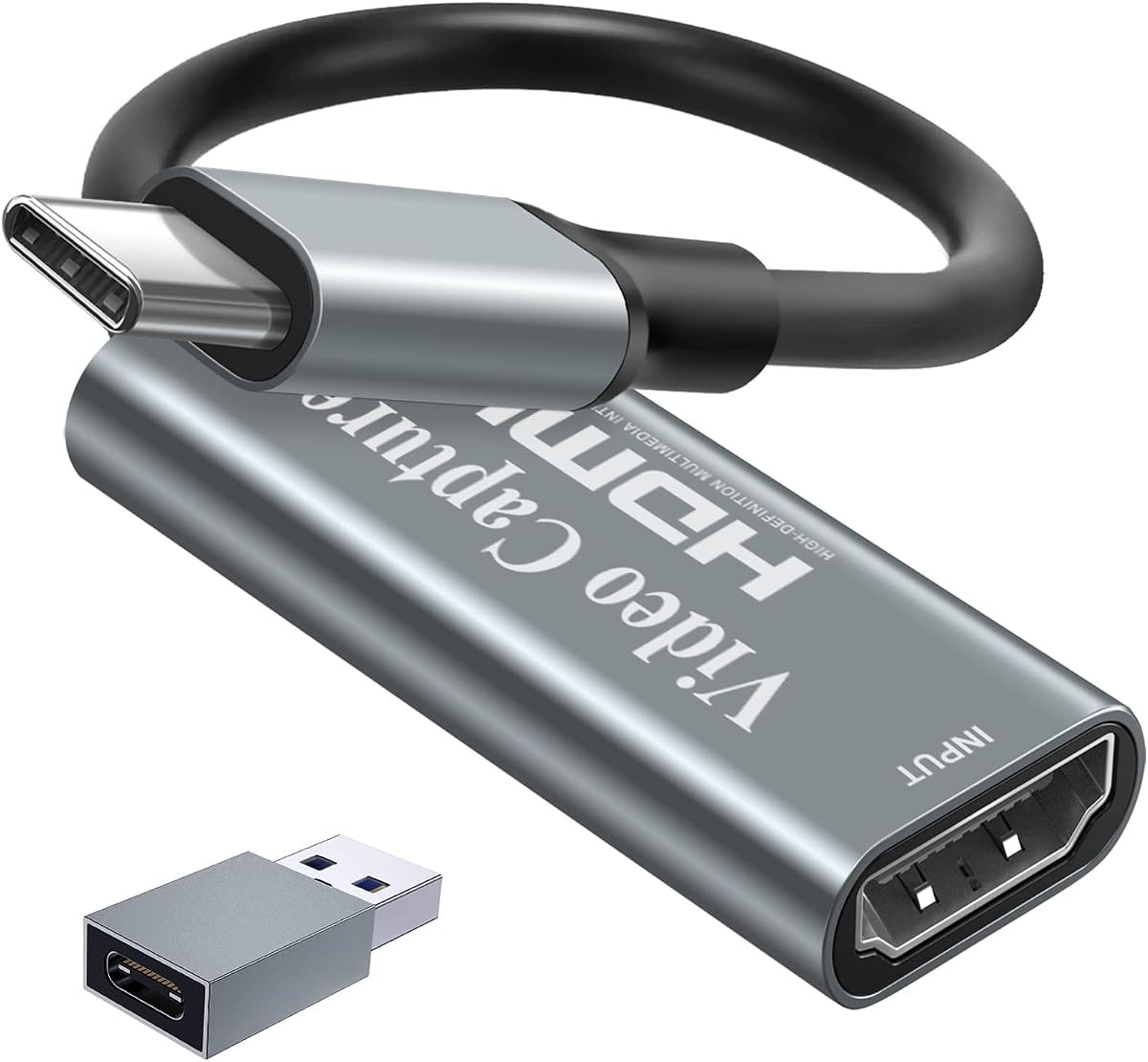
Papeaso Video Capture Card, 4K Input HDMI to USB-C, 1080P 60FPS Capture
4.2Editor score
Affordable price point
Plug and play setup
Compatible with Linux and Android
This guide compares the top capture cards for Linux users focusing on compatibility performance and features for streaming gaming and recording needs.
Finding the right capture card for Linux can be challenging due to driver requirements and hardware compatibility. This guide highlights devices that work seamlessly with open source systems for high quality video capture.
We evaluated ten top rated models based on their Linux support resolution output and ease of setup. Each product was selected for its ability to deliver reliable performance without requiring proprietary software installations.
Every pick shows key specifications and real world use cases to help you choose wisely. Note that availability and pricing may change so check the latest details before purchasing your ideal capture solution.
4.2Editor score

4.4Editor score

4.2Editor score
The following table provides a side by side comparison of all ten capture cards evaluated for Linux compatibility and performance. Use this overview to quickly identify which model fits your specific streaming or recording requirements.






The acer USB 3.0 HDMI Capture Card delivers solid performance for Linux users seeking affordable streaming solutions. It supports 1080P at 60Hz with minimal lag making it suitable for real-time gaming broadcasts.
We may earn a commission when you buy through this link, at no additional cost to you.
Its YUY2 technology ensures richer color accuracy compared to standard MJPEG formats. The built-in mic-in port allows direct audio input without extra adapters simplifying your setup process.
While it lacks 4K output capabilities the device maintains high fidelity for most streaming platforms. Linux users should note that OBS compatibility is confirmed via user reports.
This capture card is ideal for beginners needing a plug-and-play device for Linux environments. Its lightweight design makes it portable for on-the-go content creation or travel setups.
Linux users can connect this device without installing proprietary drivers. Most open-source capture software recognizes it automatically upon connection.
YUY2 encoding delivers vibrant visuals that enhance the viewer experience. This is particularly beneficial for games with detailed textures.
We may earn a commission when you buy through this link, at no additional cost to you.
UGREEN captures the top spot for Linux users due to its explicit system support. This card offers 4K input with 2K output balancing quality and performance for most use cases.
We may earn a commission when you buy through this link, at no additional cost to you.
The dual USB A and C interfaces provide flexibility across various laptops and desktops. Aluminum casing ensures stable thermal performance during extended streaming sessions.
While 4K capture isn't supported the 2K 30FPS output remains sharp for YouTube and Twitch. Linux users can utilize OBS without additional driver installations.
This model is recommended for those needing versatile connectivity and reliable Linux compatibility. It handles major consoles and cameras with consistent results.
Both USB A and C ports allow connection to older and newer systems. This flexibility reduces the need for extra adapters.
The aluminum housing dissipates heat effectively. This prevents overheating during long recording or streaming periods.
We may earn a commission when you buy through this link, at no additional cost to you.
Guermok offers robust performance with 1080P 60FPS output ideal for smooth motion capture. Linux users report seamless operation with OBS and other open-source tools.
We may earn a commission when you buy through this link, at no additional cost to you.
The aluminum alloy body aids heat dissipation ensuring consistent performance. USB 3.0 transmission delivers high data rates for reliable capture.
Note that audio setup may require restarting software to sync properly. This is a minor inconvenience compared to the overall stability.
This card suits gamers needing high frame rates on Linux. Its portability makes it great for travel and LAN party streaming.
60FPS output ensures fluid gameplay footage. This is essential for competitive gaming streams.
Its small form factor fits easily into bags. Perfect for creators moving between locations.
We may earn a commission when you buy through this link, at no additional cost to you.
Newhope provides 4K pass-through allowing monitors to display high fidelity video. Capture remains at 1080P 60FPS for efficient streaming on Linux.
We may earn a commission when you buy through this link, at no additional cost to you.
The mic-in port enables commentary recording directly into the stream. This feature simplifies audio setups without extra hardware.
While Linux compatibility is listed users should test with their specific distribution. Most mainstream distros support UVC devices without issues.
This card is suitable for budget conscious buyers needing basic functionality. It handles consoles and cameras effectively.
Players enjoy crisp visuals on displays while recording. This avoids input lag during gameplay.
Commentary is captured directly via the card. This reduces setup complexity.
We may earn a commission when you buy through this link, at no additional cost to you.
This model emphasizes ease of use with straightforward plug-and-play functionality. Linux systems recognize it as a standard video device for capture.
We may earn a commission when you buy through this link, at no additional cost to you.
Low latency ensures real-time feedback which is crucial for interactive streams. Frame rates remain stable even during intense gaming sessions.
The device pairs well with popular software like OBS and Streamlabs. No extra configuration is typically required for basic use.
Ideal for casual streamers needing dependable performance on Linux. It covers essential features without complexity.
Connections work immediately without drivers. This saves time during initial configuration.
Consistent performance prevents stuttering. Viewers enjoy smooth video playback.
We may earn a commission when you buy through this link, at no additional cost to you.
UGREEN offers high resolution input preserving original quality for editing. The 2K output strikes a balance between clarity and performance.
We may earn a commission when you buy through this link, at no additional cost to you.
USB interfaces support both modern and legacy ports ensuring broader device compatibility. Aluminum design aids in maintaining cool operation.
Linux users benefit from driver-free operation. Most distributions handle UVC devices natively without configuration.
This card suits creators needing higher input quality. It manages well with modern consoles and cameras.
Original signal quality is preserved. This benefits post-production workflows.
Connectivity options adapt to different systems. This enhances flexibility.
We may earn a commission when you buy through this link, at no additional cost to you.
This capture card delivers reliable 1080P recording with 4K input options. Linux users report seamless integration with standard capture software.
We may earn a commission when you buy through this link, at no additional cost to you.
Built-in mic and headphone jacks support real-time audio monitoring. This allows precise audio adjustments during streams.
Performance remains stable across gaming and video conferencing. It is a solid option for multi-purpose use.
Recommended for users needing simple audio and video tools. It handles common streaming tasks without issues.
Headphone output enables instant audio checks. This improves stream quality.
Supports consoles cameras and PCs alike. This maximizes utility.
We may earn a commission when you buy through this link, at no additional cost to you.
AVerMedia offers top-tier hardware for 4K60 HDR passthrough and ultra-low latency. Linux users should verify OS compatibility before purchase.
We may earn a commission when you buy through this link, at no additional cost to you.
The included Streaming Center provides an intuitive interface for quick streaming. This simplifies workflows for those avoiding complex setups.
High-end performance makes it great for serious content creators. However advanced features may be limited on Linux.
Best for users prioritizing image quality and lag reduction. It delivers premium performance on supported systems.
High dynamic range visuals are preserved. This enhances display fidelity.
Instant feedback ensures responsive gameplay. This avoids player frustration.
We may earn a commission when you buy through this link, at no additional cost to you.
Papeaso delivers excellent value with basic Linux compatibility. It handles 1080P 60FPS capture effectively for entry-level users.
We may earn a commission when you buy through this link, at no additional cost to you.
USB-C connectivity simplifies connection to modern laptops. Linux users should check USB controller compatibility for smooth operation.
While build quality is modest performance remains consistent. It avoids freezing during standard streaming scenarios.
This is the best choice for tight budgets needing reliable capture. It covers fundamental streaming needs efficiently.
High value for entry-level creators. This makes streaming accessible.
Modern connector reduces adapter needs. This streamlines setup.
We may earn a commission when you buy through this link, at no additional cost to you.
This model offers premium capture capabilities including 4K60 HDR and VRR support. Linux users should confirm driver support before committing.
We may earn a commission when you buy through this link, at no additional cost to you.
Audio capture extends to 5.1 channels providing immersive sound recording. The hardware ensures high fidelity for professional workflows.
While pricey the performance matches high-end streaming standards. It is suited for dedicated content creators.
Invest in this card for uncompromising video and audio quality. It delivers the best results when compatible.
Captures highest visual fidelity available. This is ideal for quality.
Multi-channel audio ensures rich sound. This enhances production value.
We may earn a commission when you buy through this link, at no additional cost to you.
Selecting the right capture card for Linux requires attention to compatibility features and performance specs. This guide breaks down key factors to help you make an informed decision.
Verify that the capture card supports Linux before purchasing. Look for devices that explicitly mention UVC protocol compliance or driver-free operation. Most modern Linux distributions handle standard USB video devices without extra software but always check community forums for specific hardware reports.
Prioritize cards known to work with open-source tools like OBS Studio. This ensures smooth integration with your existing workflow without needing proprietary drivers.
Assess your streaming needs based on resolution and frame rate. For competitive gaming 1080P at 60Hz offers smooth motion without excessive bandwidth usage. Higher resolutions like 2K or 4K are better for detailed video but may require more powerful systems to process.
Choose a card that matches your display capabilities and internet upload speed. This prevents bottlenecks and ensures consistent quality during broadcasts.
Check that the capture card has the right HDMI ports for your devices. USB 3.0 interfaces provide faster data transfer than older versions ensuring stable video capture. Dual USB A and C options offer greater flexibility for different laptop and desktop models.
Ensure loop-out ports are available if you want to view gameplay on a separate monitor. This allows zero-latency monitoring while capturing simultaneously.
Built-in microphone inputs simplify commentary recording by reducing the need for external adapters. This feature is crucial for streamers who want to add voiceovers during gameplay or presentations. Verify support for 3.5mm TRS headsets for best compatibility.
Look for cards that support multi-channel audio capture if you need immersive sound. This enhances the overall production value of your streams.
Aluminum housings offer better heat dissipation compared to plastic alternatives. This prevents overheating during long streaming sessions maintaining consistent performance. Portable and lightweight designs are ideal for creators who travel frequently or switch setups often.
Consider the physical size and cable length included with the device. Compact units fit easily into bags making them convenient for on-the-go content creation.
Ensure the capture card is compatible with your preferred streaming software. Tools like OBS XSplit and VLC are widely supported by most modern devices. Some premium models include proprietary software but verify Linux versions are available.
Check if the device requires manual configuration for audio sync or video formats. Plug-and-play models reduce setup time and technical hurdles significantly.
Many consoles require HDCP to be disabled for external capture devices to work properly. Verify that your capture card supports consoles like PS5 or Xbox Series X with HDCP compliance in mind. This avoids black screen issues during gameplay.
Look for cards explicitly listing major gaming systems in their compatibility specs. This ensures seamless connection and reliable capture from your favorite platforms.
Set a budget based on your needs whether casual streaming or professional production. Affordable options exist that deliver solid 1080P performance without extra costs. High-end models offer advanced features like HDR and VRR but come with higher price tags.
Evaluate the total value by considering included accessories and warranty. A slightly higher initial cost may offer better long-term reliability and support for your setup.
Connect the capture card to your Linux system using a high-quality USB 3.0 port for best performance. Ensure the HDMI source device such as a console or camera is powered on before connecting. Most systems recognize the card instantly without requiring driver installations.
Launch OBS Studio or your preferred capture software to configure video and audio settings. Select the capture card as the input device and adjust resolution and frame rate options accordingly. Test the preview window to verify signal stability before starting your stream.
Maintain the device by keeping it in a cool dry environment when not in use. Avoid bending cables excessively and store the card in a protective case if traveling. Periodically check for software updates on your Linux system to ensure ongoing compatibility.
Most modern capture cards work on Linux without additional drivers because they use the UVC protocol. This protocol is natively supported by many Linux distributions allowing plug-and-play functionality. Always verify specific model compatibility in community forums before purchase to avoid issues.
Yes but you must disable HDCP on the PS5 for the capture card to display video. Linux systems handle the USB connection well with compatible devices. Check the product specs to confirm explicit PS5 support before buying to ensure smooth operation.
OBS Studio is the most widely supported open-source option for Linux capture workflows. It handles video and audio input from standard capture cards seamlessly. Other tools like VLC and XSplit also work with UVC compliant devices.
4K capture is only necessary if you plan to edit or stream high-resolution content. For most streaming scenarios 1080P at 60Hz provides excellent quality without excessive bandwidth. Choose based on your specific production requirements and system capabilities.
A black screen often indicates HDCP issues with the source device or compatibility problems. Try disabling HDCP on your console or camera if supported. Also check that your Linux USB controller is functioning correctly with the device.
Audio sync issues can usually be resolved by checking sample rates in your capture software. Most modern drivers handle this automatically but manual adjustments may be needed in OBS. Restarting the software after setup often fixes synchronization glitches.
Yes USB-C capture cards work on Linux laptops provided they support USB 3.0 data transfer. Ensure the laptop port supports data not just charging for reliable performance. Most Linux systems detect USB-C video devices without extra configuration.
Many affordable models provide solid 1080P capture and work well on Linux. They may lack advanced features but handle standard streaming tasks effectively. Check community reviews for specific Linux compatibility before buying cheaper options.
Choosing the right capture card for Linux involves balancing performance compatibility and budget. The UGREEN models lead with explicit support while budget options like Papeaso offer value for entry-level users.
Prioritize devices that support UVC protocol and work seamlessly with OBS Studio. This ensures a smooth workflow without relying on proprietary software or drivers.
Remember to check current availability and system requirements before purchasing. Compatibility may vary by distribution so verify details for your specific Linux setup.