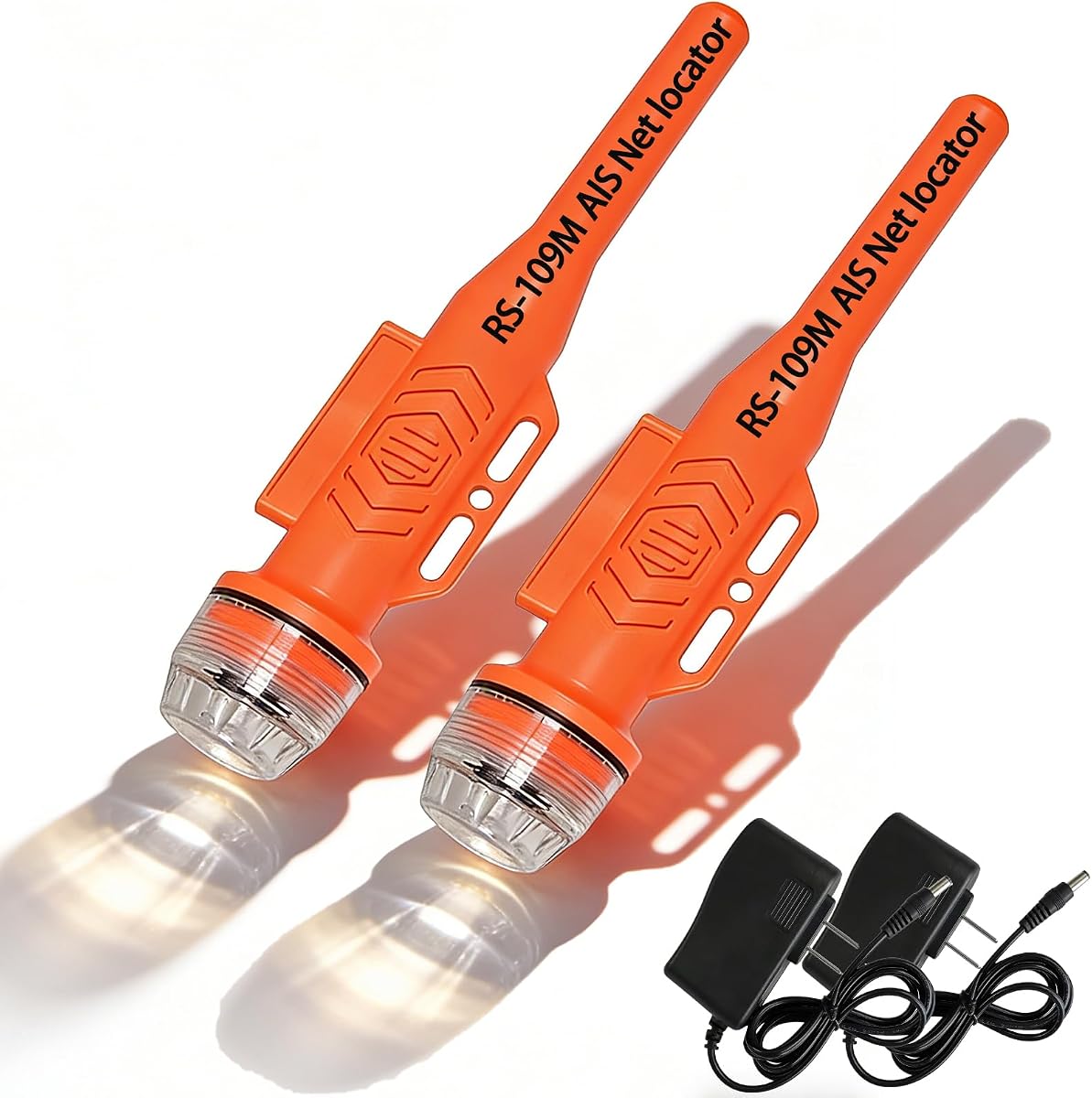
RS-109M Marine Net Locator IPX7 Waterproof GPS Navigation ALS Fishing Nnet Buoy 5W 10MN ST-109M Marine Transponder Net Buoy Tracker 2Packs
4.0Editor score
IPX7 waterproof design sealed
Ten nautical mile signal range
Two week battery life
Automatic Identification System transponders are essential for modern marine safety and navigation. They allow vessels to broadcast their identity and location while receiving data from nearby traffic. Choosing the right unit ensures compliance with regulations and enhances situational awareness on the water.
We compared ten top rated models based on features like display quality connectivity options and signal range. Our analysis covers Class A and Class B systems along with personal beacons and integrated bundles. This list helps you find the best fit for your boat size and budget.
Each pick highlights key strengths and ideal use cases for different types of boaters. Ratings and availability can change over time so verify details before purchasing. Use this guide to make an informed decision for your maritime communication needs.
4.0Editor score

4.5Editor score
4.8Editor score
As an Amazon Associate we earn from qualifying purchases.
The following table provides a side by side overview of all ten products. It highlights key specifications and unique features to help you compare options quickly and easily.




The Icom MA-510TR stands out as a leading choice for boaters seeking robust AIS functionality. It combines a vibrant display with essential navigation tools to keep you informed on the water. Its design prioritizes safety and ease of use for various vessel types.
We may earn a commission when you buy through this link, at no additional cost to you.
This unit features a 4.3 inch color screen that remains visible even in bright sunlight. The integrated GPS ensures accurate position reporting without needing external sensors. Users benefit from DSC calling capabilities when paired with compatible VHF radios for streamlined communication.
While highly capable the system does require proper integration with existing marine electronics. Setting up the NMEA connections might take some technical know how for first time users. However the reliability and feature set justify the effort for serious mariners.
We recommend this transponder for commercial vessels and serious recreational boats needing reliable tracking. It offers peace of mind through anchor watch and collision alarm features. Ultimately it balances performance and usability effectively for daily maritime operations.
The display shows nearby traffic clearly allowing quick identification of potential hazards. This helps captains make informed decisions during crowded navigation scenarios.
Silent mode allows the vessel to receive data without broadcasting position. This is useful for security sensitive missions or privacy focused boating.
We may earn a commission when you buy through this link, at no additional cost to you.
The EM-TRAK NF-189 offers a straightforward solution for Class B AIS requirements. It focuses on core functionality without extra bells and whistles. This makes it suitable for vessels needing basic tracking and compliance.
We may earn a commission when you buy through this link, at no additional cost to you.
Its dual voltage support allows flexibility across different boat electrical systems. The standard design fits easily into tight spaces on smaller craft. Reliable transmission ensures your vessel remains visible to nearby traffic consistently.
Users should note the lack of an integrated display screen. You will need a separate plotter or NMEA device to view incoming data. This can add to the overall system cost compared to all-in-one units.
This model is best for those prioritizing function over form. It delivers essential data exchange without complexity. Ideal for commercial or industrial boats where simplicity is valued.
Operating on both 12 and 24 volts means it adapts to various battery setups. This reduces compatibility issues during installation on different vessel types.
The unit handles basic transmit and receive tasks efficiently. It ensures you stay connected to the marine network without unnecessary distractions.
We may earn a commission when you buy through this link, at no additional cost to you.
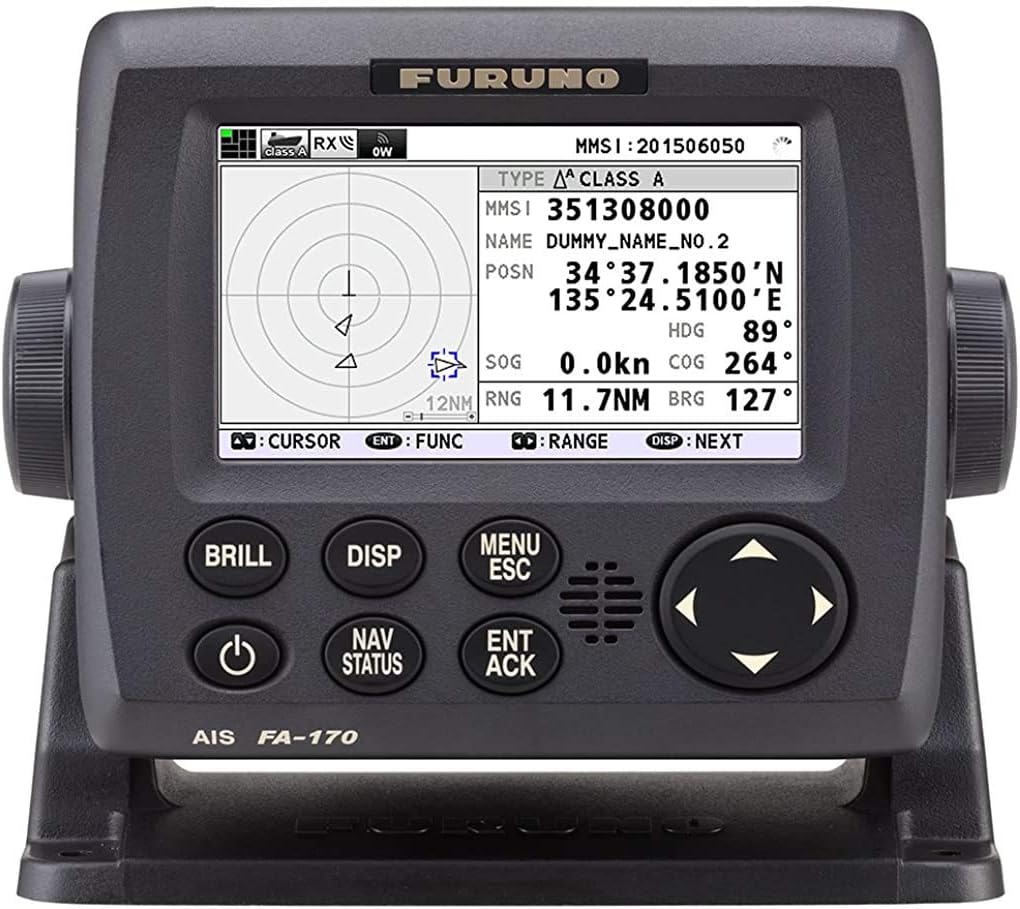
The Furuno FA170 represents the pinnacle of Class A AIS technology for professional use. It is built to handle high traffic environments with exceptional precision. The unit includes advanced features for collision avoidance and target management.
We may earn a commission when you buy through this link, at no additional cost to you.
With storage for over two thousand targets it rarely runs out of memory. The dangerous target list feature proactively warns operators of approaching risks. Multiple ports allow seamless integration with radar ECDIS and other bridge equipment.
The cost is significant and best suited for commercial or large yachts. Installation requires professional expertise due to the complexity of connections. However the safety benefits are unmatched for vessels operating in busy shipping lanes.
Invest in this unit if safety and regulatory compliance are top priorities. It provides a comprehensive view of the maritime environment. This transponder is a long term investment for fleet operators.
The ability to store and manage thousands of targets is crucial for busy ports. It prevents data loss during congested navigation periods.
Automatic identification of risky targets helps prevent accidents before they happen. This proactive safety feature is vital for large vessel operations.
We may earn a commission when you buy through this link, at no additional cost to you.
The RS-109M is designed primarily for tracking nets and buoys rather than large ships. It provides an affordable way to monitor gear in open water. The compact size makes it easy to attach to various floating objects.
We may earn a commission when you buy through this link, at no additional cost to you.
Its waterproof design ensures it survives submersion without damage. The battery lasts up to two weeks on a single charge reducing maintenance needs. Real-time sync keeps you updated on power levels remotely.
This device is not a replacement for full vessel transponders. It serves a specific niche for fishermen and buoy operators. The range covers typical coastal fishing zones effectively.
Buy this if you need to track equipment without high costs. It offers peace of mind for gear retrieval. Simple to use and reliable for its intended purpose.
Knowing the exact location of nets saves time and money. The GPS module ensures you find your equipment quickly even in rough seas.
The IPX7 rating means it can withstand splashes and temporary immersion. This durability is essential for harsh marine environments.
We may earn a commission when you buy through this link, at no additional cost to you.
This bundle offers a convenient path to upgrading your communication systems. It includes both the VHF radio and AIS capabilities in one purchase. Raymarine quality ensures longevity and performance in demanding conditions.
We may earn a commission when you buy through this link, at no additional cost to you.
The fixed mount design provides stability in rough seas. You get dedicated accessories to support installation on the flybridge or cabin. This setup is ideal for boats with permanent mounting spots.
Note that a compatible display is often needed to view AIS data fully. The bundle focuses on transmission hardware rather than screens. This might require additional investment for complete functionality.
Choose this bundle if you want to upgrade radio and AIS together. It reduces compatibility issues between components. Perfect for mid-sized recreational boats seeking reliability.
Having VHF and AIS together streamlines distress signaling procedures. You can transmit location data quickly during emergencies.
The brand is known for durable marine electronics. This bundle continues that legacy with robust build quality.
We may earn a commission when you buy through this link, at no additional cost to you.
This beacon is designed for personal safety rather than vessel navigation. It sends distress alerts to nearby vessels and satellites simultaneously. The Return Link Service confirms rescue teams have received your signal.
We may earn a commission when you buy through this link, at no additional cost to you.
The compact size allows easy attachment to life jackets or gear. You can check battery status via mobile app without tools. Global coverage ensures assistance can be reached anywhere on Earth.
It is strictly an emergency device not a navigation tool. Regular testing is required to ensure functionality when needed. The lack of subscription costs makes it accessible for all owners.
Every boater should consider carrying one for safety. It provides a critical layer of protection for individuals. Essential for offshore sailing or remote cruising.
The beacon transmits on 406 MHz for satellite detection and VHF for local vessels. This dual approach speeds up search and rescue operations.
Return Link Service gives peace of mind that help is on the way. You are not just sending a signal into the void.
We may earn a commission when you buy through this link, at no additional cost to you.
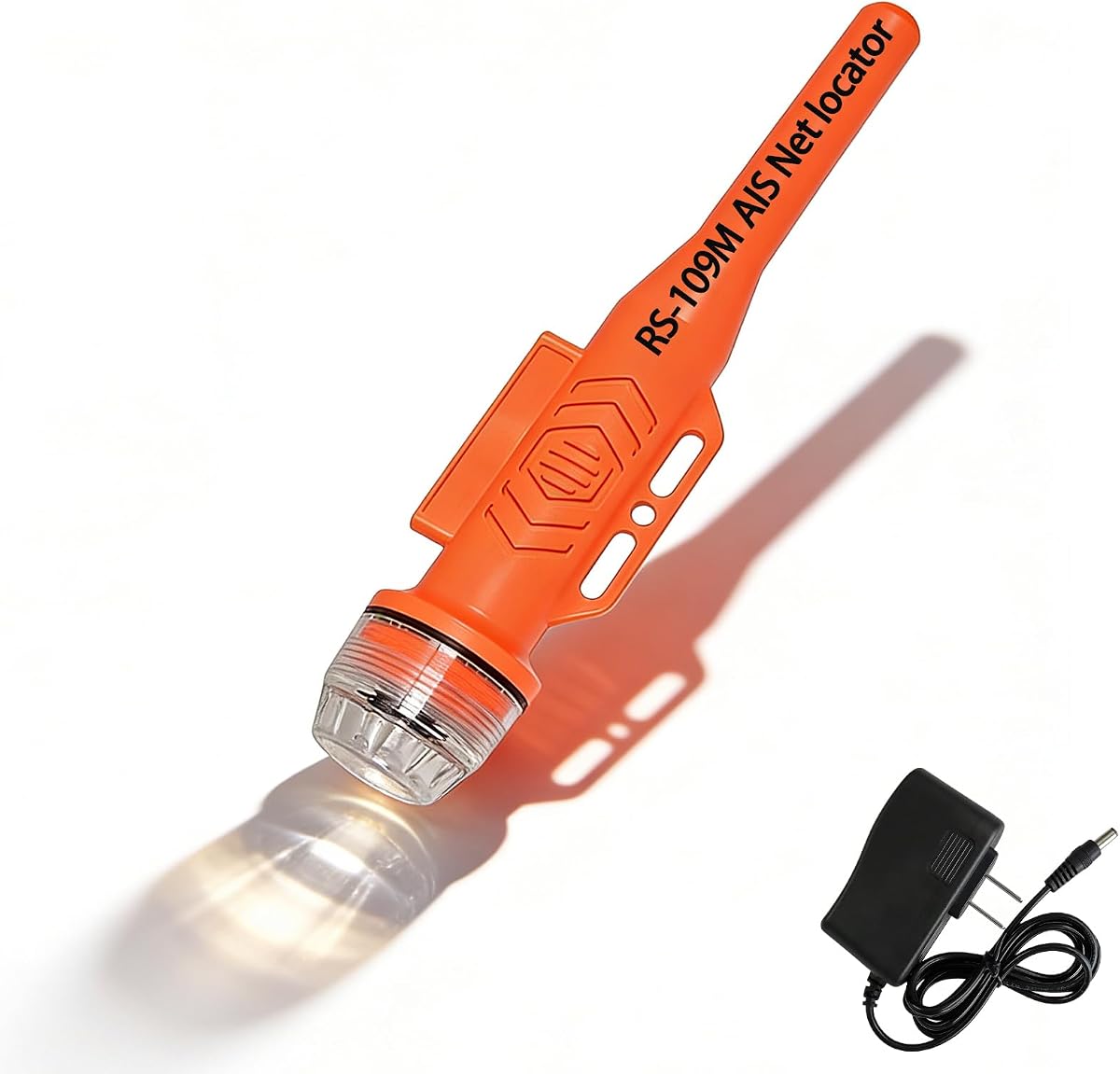
This single unit version offers similar capabilities to the twin pack. It tracks specific buoys or nets with precision. The waterproof build handles submersion well in harsh conditions.
We may earn a commission when you buy through this link, at no additional cost to you.
Battery life supports continuous use for weeks reducing frequent checks. GPS updates are quick allowing real-time location monitoring. Sync data ensures your receiver knows the status instantly.
Buying a single unit is cost effective if you only need one tracker. It avoids the extra cost of unused equipment. Just ensure your receiver supports the specific protocol used.
Ideal for fishermen needing basic location tracking. It keeps you informed without complex systems. A practical tool for smaller scale operations.
The high sensitivity GPS locks onto satellites rapidly. This ensures minimal delay in reporting location during retrieval.
Transmitting on marine VHF frequencies ensures compatibility with standard receivers. You can see the data on existing marine charts.
We may earn a commission when you buy through this link, at no additional cost to you.
The Icom M94D brings AIS reception to a handheld format. It allows you to see nearby traffic without mounting a fixed unit. This is great for small boats or kayaks with space constraints.
We may earn a commission when you buy through this link, at no additional cost to you.
Sound quality is excellent even in noisy engine rooms. The radio floats if dropped overboard and flashes for visibility. Navigation features like waypoints help you find specific spots easily.
While it receives AIS it does not transmit full vessel identity. It serves as a monitoring tool rather than a full transponder. Battery life is decent but requires regular charging for long trips.
Choose this for mobility and backup communication. It is a versatile companion for safety on the water. Ideal for recreational craft needing a portable option.
Taking the AIS receiver with you ensures you see traffic on smaller vessels. This is crucial when venturing far from main channels.
The high wattage speaker ensures calls are heard clearly. This prevents missed distress messages during noisy operations.
We may earn a commission when you buy through this link, at no additional cost to you.
The Icom M510 EVO is designed for modern boats with digital networks. It integrates seamlessly with NMEA 2000 systems for data sharing. This ensures your radio and navigation devices work in harmony.
We may earn a commission when you buy through this link, at no additional cost to you.
The EVO series features a sleek interface that is easy to navigate. You can view AIS data on connected displays for better situational awareness. It supports DSC and other digital safety protocols effectively.
Setting up the network might require technical knowledge of NMEA wiring. If your boat is older you may need adapters to connect properly. However the benefits of integration are substantial for tech savvy users.
Recommended for new builds or modernized vessels. It future proofs your communication setup. A great step toward a fully connected bridge.
NMEA 2000 allows the radio to talk to GPS and radar. This creates a unified view of your marine environment.
The modern layout simplifies channel changes and settings. This reduces distraction during critical navigation moments.
We may earn a commission when you buy through this link, at no additional cost to you.
The Raymarine AIS700 is optimized for use with Raymarine multifunction displays. It offers full transmit and receive capabilities for enhanced safety. The SO-TDMA networking ensures efficient data exchange with other ships.
We may earn a commission when you buy through this link, at no additional cost to you.
A built-in antenna splitter simplifies installation by sharing the VHF antenna. This reduces cable clutter on the mast. Compatibility with SeaTalkng makes integration with existing systems seamless.
Users not using Raymarine displays might find setup less intuitive. The device relies heavily on the ecosystem for full feature access. But within that ecosystem it performs reliably and consistently.
Ideal for boats already equipped with Raymarine electronics. It provides a smooth upgrade path for AIS functionality. A solid choice for streamlined network performance.
Sharing the antenna means less drilling and wiring work. This reduces installation time and potential points of failure.
SO-TDMA prevents signal collisions in busy areas. This keeps your data updates frequent and accurate.
We may earn a commission when you buy through this link, at no additional cost to you.
Choosing the right AIS transponder depends on your vessel type and communication needs. This section outlines key factors to consider before making a purchase decision.
Class A transponders are mandatory for larger commercial vessels and transmit more detailed data at higher power. Class B units are designed for smaller recreational boats and offer a more affordable alternative with similar safety features.
Select Class A if your vessel size requires it; otherwise Class B is sufficient for most hobbyists.
Some transponders come with built-in displays while others require connection to a separate plotter. A built-in screen provides immediate visual feedback but adds bulk to the installation.
Ensure the interface is intuitive and matches your existing navigation setup for efficient use.
Look for units with USB or Ethernet ports to facilitate data logging and software updates. NMEA 2000 compatibility is becoming standard for modern digital marine networks.
Check that the transponder supports the specific protocols your current electronics use.
Transponders consume varying amounts of power so verify voltage requirements match your boat system. Some units allow dual voltage operation which adds flexibility to installation.
Always calculate the load on your battery bank to avoid unexpected drain.
The quality of your antenna affects signal range and reliability. Some models include a splitter to share the VHF antenna which simplifies cabling.
Invest in a high quality antenna to ensure your signal reaches distant vessels effectively.
Extra features like silent mode collision alarms or anchor watch add value to the system. These tools enhance situational awareness beyond basic tracking.
Prioritize features that align with your typical operating conditions and safety priorities.
Marine environments are harsh so the unit should be waterproof and resistant to corrosion. Look for ratings like IPX7 if the device might get wet.
A robust build ensures longevity even in saltwater conditions.
Prices range significantly from entry-level models to high-end commercial units. Balance the cost against the features and reliability you need.
Remember that safety equipment is an investment in the well-being of your crew and vessel.
Install the transponder in a dry location with good ventilation to prevent overheating. Ensure connections to GPS and power are secure to avoid signal interruptions.
Test the unit regularly by checking that it broadcasts your MMSI correctly. Use the built-in self-test function if available to verify antenna performance.
Clean the exterior with fresh water after exposure to salt. Check for corrosion on connectors and replace damaged cables immediately to maintain functionality.
While not always mandatory for small recreational boats having one greatly enhances safety. It allows other vessels to see you on the water reducing collision risks. Most modern systems are affordable and easy to install on smaller craft.
GPS provides your position while AIS broadcasts that position to other vessels and receives their data. AIS adds a layer of communication that GPS alone does not offer. Together they improve navigation safety and situational awareness.
Some transponders have built-in displays that work without a chartplotter. However to view the data visually on a map you typically need a connected display. Check the unit specifications to confirm standalone functionality.
The system updates automatically at regular intervals depending on speed and course changes. You do not need to manually update it unless your ship details change. Regularly test the system to ensure it is sending current information.
International and local regulations often require Class A transponders for commercial vessels over a certain size. Smaller boats may not be legally required to carry them but it is highly recommended for safety. Always check local maritime laws before cruising.
A damaged antenna will reduce or block signal transmission and reception. You may lose the ability to see other boats or be seen. Replace damaged antenna components immediately to restore full system functionality.
You can input your MMSI number using the device menu or connected software. It is a unique nine digit identifier for your vessel. Once set it should not be changed frequently to avoid tracking issues.
AIS relies on VHF radio waves so it works within line of sight of other vessels. In very remote oceans you may not receive many signals but your transmission still helps nearby traffic. It is not a satellite-based tracking system.
We reviewed ten top options ranging from handhelds to full Class A transponders. Each choice offers unique benefits tailored to different boating styles and budgets.
Prioritize reliability and compatibility with your current equipment when making your selection. The right unit will keep you safe and connected in any maritime environment.
Check current availability and details before buying as product specs can change. Use this guide to find the perfect AIS solution for your vessel needs.