
QIDI Max4 Combo 3D Printer, 390×390×340mm Build Volume, 65°C Heated Chamber
4.4Editor score
Ultra-large build volume
High precision stability
Wide material compatibility
Compare the best 3D printers for engineering prototypes featuring multi-material capabilities, large build volumes, and industrial accuracy for rapid design
Selecting the right 3D printer for engineering prototypes requires balancing precision, material compatibility, and build volume. Engineers need machines that can handle advanced polymers and produce accurate parts for testing and validation without excessive waste or downtime.
This guide evaluates ten top models based on speed, reliability, and feature sets essential for professional workflows. We analyzed technical specifications, user feedback, and ecosystem support to determine which printers deliver the best value for iterative design and functional prototyping.
Each pick highlights specific strengths like multi-color printing, heated chambers, or large formats to suit diverse project needs. Note that availability and pricing may fluctuate, so verify current details before making a purchase decision for your workshop or lab.
4.4Editor score

3.5Editor score

4.5Editor score
The following table compares key specifications across all ten models to help you quickly identify the machine that matches your specific prototyping requirements and budget constraints.




The Original Prusa XL stands out as a premier choice for engineering teams requiring large-format multi-material capabilities. With a rating reflecting early adoption, it offers a robust platform for complex prototypes using its dual toolhead system and intelligent workflow features.
We may earn a commission when you buy through this link, at no additional cost to you.
Its segmented heated bed ensures even temperature distribution, critical for avoiding warping on large prints. The CoreXY system provides the stability needed for high-precision work, while the intelligent tool switching minimizes material waste during transitions.
While the initial investment is substantial, the reduction in waste and ability to print complex functional parts in one setup often justifies the cost. Users should expect to spend time on assembly but benefit from professional-grade reliability thereafter.
This machine is ideal for studios and engineering departments that need reliable industrial-grade performance at scale. It supports the entire Prusa ecosystem, ensuring streamlined production workflows for high-quality multi-material prototypes.
The dual tool system enables seamless switching between materials for complex prints and soluble support structures without manual intervention.
Built for advanced makers, the build volume of 14.17×14.17×14.17 inches allows for significant prototypes in one go.
We may earn a commission when you buy through this link, at no additional cost to you.
The QIDI Max4 Combo delivers exceptional value for engineers needing large build volumes and high-speed capabilities. With a 390x390x340mm area, it accommodates substantial industrial parts and molds that smaller machines cannot handle efficiently.
We may earn a commission when you buy through this link, at no additional cost to you.
Its closed-loop motors and high acceleration ensure precise and fast printing, while the 65°C active heated chamber supports high-temperature materials like ABS-CF and PC. This combination makes it versatile for tough engineering-grade prototyping tasks.
Although the Polar Cooler is sold separately, the core machine provides excellent performance. The AI camera detects failures to save time, making it a smart choice for professional environments where efficiency is paramount.
Professionals looking for a balance of size, speed, and material versatility will find this model highly capable. It is suitable for both complex custom prototypes and industrial parts requiring reliable surface quality.
The ultra-large build volume is 55% larger than its predecessor, allowing you to print large industrial parts without splitting.
High-flow hotend and heated chamber create ideal conditions for engineering-grade abrasive materials like carbon fiber-reinforced nylon.
We may earn a commission when you buy through this link, at no additional cost to you.
The Snapmaker U1 offers an accessible entry point into multi-material printing with its innovative 5-second tool changer. It stands out for reducing filament waste by up to 5 times compared to traditional systems, which is a key benefit for prototyping budgets.
We may earn a commission when you buy through this link, at no additional cost to you.
Users can mix rigid and flexible materials or water-soluble supports effortlessly thanks to four independent toolheads. The high-speed CoreXY system ensures that these features do not come at the cost of print speed or dimensional accuracy.
While the initial setup may require careful calibration, the automatic tools help ensure smooth results. This model is particularly attractive for creators who need detailed functional prototypes with varying material properties without significant material costs.
For hobbyists and professionals alike, the Snapmaker U1 simplifies the creation of complex models. It supports a wide range of filaments, making it versatile for various design needs from articulated models to functional parts.
Minimizes wasted material during filament changes, reducing filament waste by up to 5X for lower operating costs.
The automatic tool changer reduces tool change time from around 2 minutes to just 5 seconds for faster workflows.
We may earn a commission when you buy through this link, at no additional cost to you.
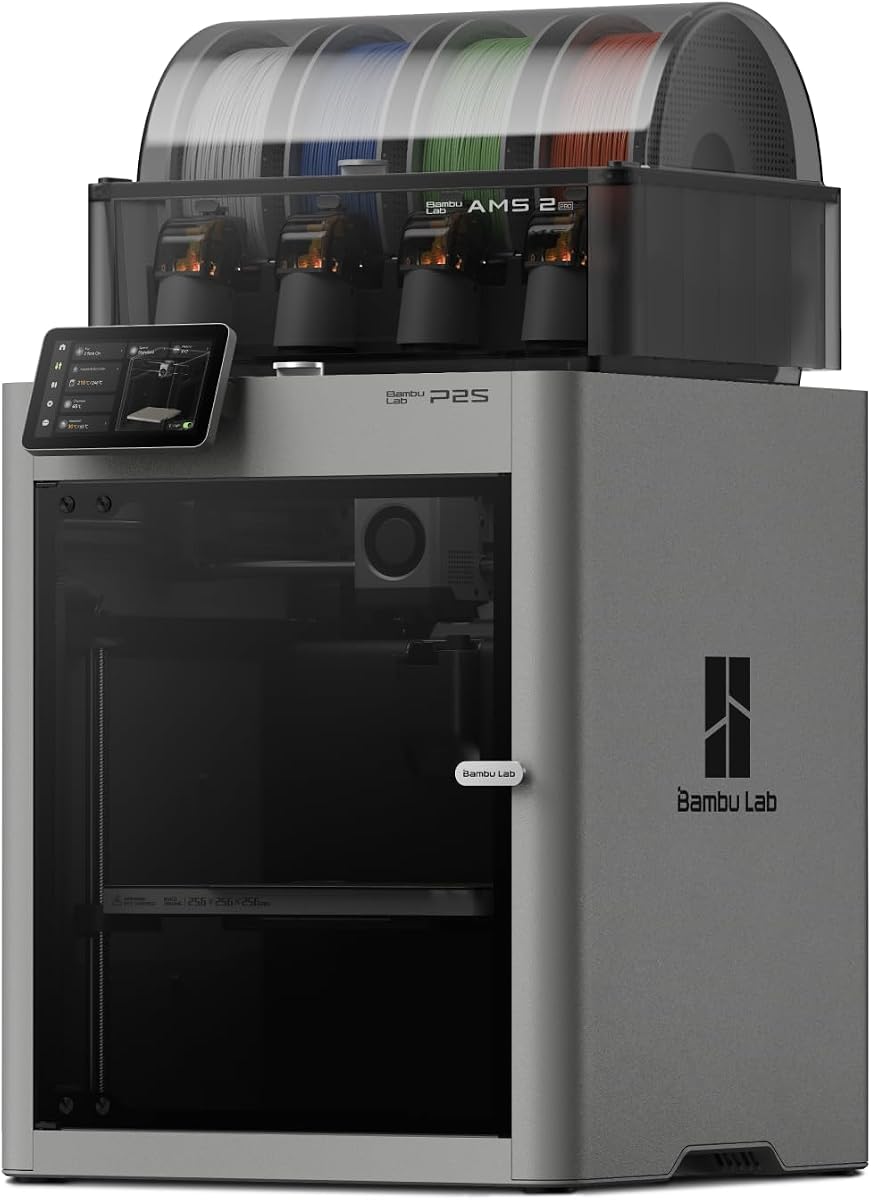
The Bambu Lab P2S Combo delivers high-speed precision with printing speeds up to 600 mm/s while maintaining exceptional accuracy. This makes it a strong contender for engineering prototypes where time is critical and consistent results are mandatory.
We may earn a commission when you buy through this link, at no additional cost to you.
The AMS 2 Pro adds capability with built-in filament drying and multi-color support. Smart airflow features ensure crisp overhangs or thermal retention for engineering-grade materials, providing adaptability to various project needs.
While the P2S printer alone does not support multi-color printing, the combo version integrates well with the Bambu ecosystem. Automated calibration and failure detection further streamline the process for users focused on productivity.
For those looking to maximize productivity with minimal manual intervention, this model is highly recommended. It balances speed and quality effectively, suitable for bringing designs to life with a unified workflow.
Prints up to 600 mm/s while maintaining exceptional accuracy with active flowrate compensation for sharp layers.
Built-in filament drying at up to 65°C keeps every spool ready for flawless prints and optimal performance.
We may earn a commission when you buy through this link, at no additional cost to you.
The FLASHFORGE Creator 5 Pro is designed for industrial engineering with a fully enclosed frame and active heated chamber up to 65°C. This configuration prevents warping in advanced filaments like PC and PA, making it ideal for robust industrial parts.
We may earn a commission when you buy through this link, at no additional cost to you.
Its near-zero waste system eliminates purge waste during nozzle switches, drastically reducing material costs. The CoreXY structure ensures stability at high speeds, while HEPA filtration maintains a safe and odorless workspace.
Although it is a premium industrial machine, the control features like real-time monitoring and remote access enhance its utility. It is a solid choice for environments where safety and efficiency are prioritized over cost.
For teams needing a reliable solution for advanced materials and multi-color printing, this model delivers strong performance. It offers the control and stability required for consistent production-level output.
The Near-Zero Waste System completely eliminates massive purge waste, slashing operational overhead and material costs.
Print confidently with ABS, PC, and PA to unlock ultimate design versatility and produce robust industrial parts.
We may earn a commission when you buy through this link, at no additional cost to you.
The Bambu Lab A1 brings impressive speed and precision to entry-level printing with an acceleration of 10,000 mm/s². It is designed for ease of use, featuring full-auto calibration that removes the hassle of manual bed leveling for consistent results.
We may earn a commission when you buy through this link, at no additional cost to you.
Active flow rate compensation ensures smooth prints without manual tweaks, while the quiet operation makes it suitable for home or office environments. It is a reliable starting point for those new to 3D printing.
While not fully enclosed, it handles standard materials well. The simplified touchscreen interface and quick swap nozzle design make maintenance easy, ensuring a seamless experience for users focusing on design rather than machine tuning.
This printer is ideal for beginners and kids but also serves well for simple prototyping tasks. It offers high performance at an accessible price point, making it easy to get started with complex projects.
Say goodbye to manual calibration hassles with automated processes ensuring optimal performance for every print.
Experience unparalleled speed and precision with blazing-fast printing while maintaining exceptional accuracy and detail.
We may earn a commission when you buy through this link, at no additional cost to you.
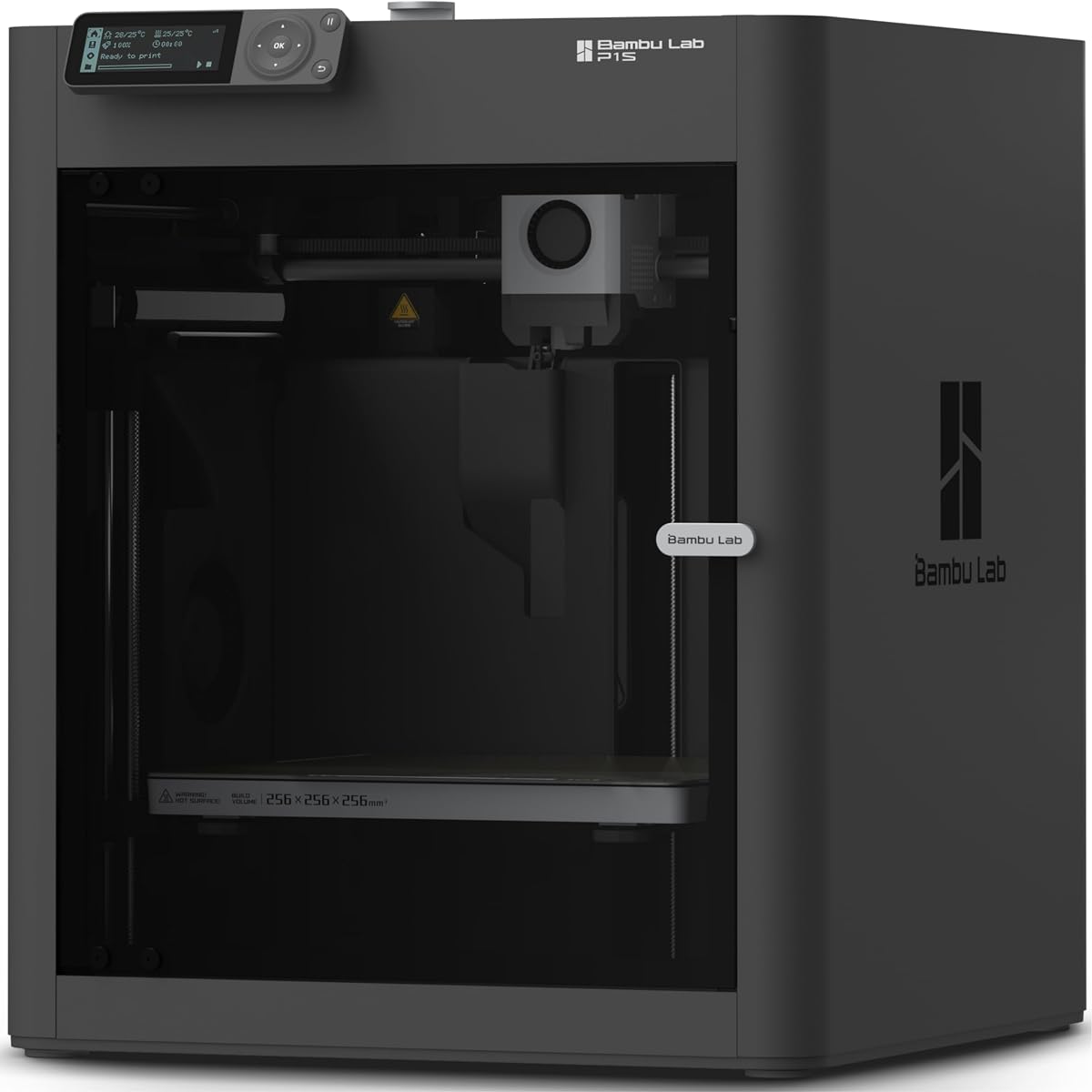
The Bambu Lab P1S offers a fully enclosed body that improves print performance for advanced filaments, making it suitable for various prototypes. Its speed and acceleration are high, ensuring quick turnaround times without waiting.
We may earn a commission when you buy through this link, at no additional cost to you.
Automatic bed leveling simplifies the process, ensuring successful prints right out of the box. Setup takes around 15 minutes, allowing users to focus on creating rather than assembly. It supports up to 16 colors with AMS connectivity.
While it does not support carbon fiber reinforced polymer directly, it handles a wide range of standard and engineering materials like ABS and ASA. This makes it versatile for general engineering use without needing specialized tooling.
Ideal for those seeking a hassle-free assembly experience, this model provides high-quality prints reliably. It balances speed and ease of use, making it a strong choice for small businesses or home labs.
Fully enclosed body improves print performance for advanced filaments and helps maintain consistent temperatures.
Set up in 15 minutes with user-friendly design ensuring a hassle-free assembly experience for all skill levels.
We may earn a commission when you buy through this link, at no additional cost to you.
The FLASHFORGE Adventurer 5M Pro is powered by an all-metal CoreXY frame that reaches speeds up to 600mm/s. Its integrated vibration compensation algorithms ensure smooth finishes, making it suitable for high-precision engineering prototypes.
We may earn a commission when you buy through this link, at no additional cost to you.
A standout feature is the 3-second quick-swap nozzle mechanism, which allows effortless replacements without tools. This is highly beneficial for workflows requiring frequent changes in layer resolution or material types.
The enclosed chamber with dual filtration ensures a clean and quiet printing environment. It operates under 50dB, making it suitable for classrooms or offices where noise levels matter significantly.
For those prioritizing speed and ease of maintenance, this model is an excellent choice. It handles engineering materials reliably and offers smart features like mobile control and filament detection for efficient workflows.
Features a tool-free quick-release nozzle mechanism for effortless 3-second replacements across multiple sizes.
Low-noise motion control operates quietly under 50dB for seamless home, office, or classroom use.
We may earn a commission when you buy through this link, at no additional cost to you.
The Anycubic Kobra 3 Max Combo features an industry-leading build volume of 420x420x500mm, making it ideal for printing life-size prototypes or multiple parts simultaneously. This extra-large space is perfect for engineers and makers needing significant capacity.
We may earn a commission when you buy through this link, at no additional cost to you.
It achieves professional-grade precision at 600mm/s speeds with G-sensor vibration compensation. This technology eliminates layer shifts on complex models, ensuring quality even when printing at high speeds.
The dual-sided PEI spring steel plate offers effortless print removal and high adhesion reliability. Features like filament runout sensors and power outage recovery provide 24/7 reliability for long print jobs.
For projects requiring large outputs without splitting, this printer is highly recommended. It combines speed and size effectively, offering a robust solution for small businesses needing to produce substantial components.
Print life-size prototypes, furniture components, or multiple parts simultaneously on this extra-large 3D printer.
Achieve professional-grade precision even at blazing 600mm/s speeds with vibration compensation.
We may earn a commission when you buy through this link, at no additional cost to you.
The FLASHFORGE Creator 5 Pro Industrial breaks free from environmental limitations with an active chamber heating system up to 65°C. This ensures consistent interlayer adhesion for materials like ABS and Nylon regardless of season or room temperature.
We may earn a commission when you buy through this link, at no additional cost to you.
It features four independent extruders for true multi-color printing without color mixing. The HEPA13 filtration system captures volatile particles, making it ideal for offices and educational environments where safety is a priority.
Despite its high speed, the rigid all-metal frame ensures vibration-free precision. Automatic leveling and toolhead calibration guarantee flawless first layers. Toolless nozzle changes under 30 seconds enhance operational convenience.
This machine is excellent for engineers needing reliable results in varied climates. It offers comprehensive safety monitoring and a user-friendly interface, making it a top choice for professional-grade performance.
Maintains a stable temperature up to 65°C to ensure consistent interlayer adhesion regardless of the season.
With four independent toolheads, the Creator 5 Pro switches colors instantly without purging filament.
We may earn a commission when you buy through this link, at no additional cost to you.
Selecting the right machine requires understanding key factors that impact performance and usability.
The size of the printing area determines whether you can produce large functional parts or multiple prototypes in one go. Engineers requiring significant dimensions should prioritize models with volumes exceeding 300mm on each axis.
Consider your typical prototype size to ensure the machine fits your workflow without needing to split parts unnecessarily.
Engineering prototypes often demand advanced materials like ABS, PC, or Nylon which require higher temperatures and enclosed chambers. Verify that the printer supports these materials and has features like heated beds and active chambers.
Ensure the hotend and nozzle materials are durable enough for any abrasive filaments you plan to use.
Prototypes may require different materials for supports or color coding. Dual or multi-toolhead systems allow for complex prints without manual changes. Look for models that minimize purge waste during transitions.
Systems that offer true mixing or rapid switching can significantly reduce operating costs and production time.
High-speed capabilities like CoreXY motion and strong acceleration reduce wait times. However, ensure that speed does not compromise dimensional accuracy required for engineering fit testing.
Look for vibration compensation features that ensure smooth surfaces even at high speeds.
Printing with engineering materials can release fumes that are harmful to health. Machines with HEPA filters and carbon systems ensure a safer environment for office or home labs.
Check for fully enclosed designs that maintain temperature and prevent drafts from affecting print quality.
Features like auto-calibration and failure detection reduce manual effort and prevent wasted prints. Reliable software ecosystems streamline the path from design to finished product.
Ensure the interface is user-friendly and supports remote monitoring to track progress without constant supervision.
For professional use, a machine should be robust and backed by strong technical support. Reliability means less downtime and consistent results over long production runs.
Check warranty terms and community availability for troubleshooting assistance.
Start by calibrating the printer according to the manufacturer guidelines to ensure accurate first layers. Proper leveling is critical for preventing warping and adhesion issues.
Monitor your prints regularly using the built-in cameras or software to catch errors early. Many machines offer alerts for filament runout which can save significant material.
Maintain the machine by cleaning the nozzle and checking belts periodically. Keeping the workspace free from dust ensures optimal performance and longer machine life.
For most functional prototypes, a build volume of at least 300x300x300mm is ideal. Larger volumes allow printing full assemblies which reduces the need for post-assembly fitting.
Yes, for materials like ABS and Nylon, an enclosed chamber helps maintain stable temperatures and prevents warping due to drafts or rapid cooling.
Multi-material capabilities allow for creating parts with supports and varying properties. This reduces the need for manual assembly and can speed up the design iteration process.
A standard 0.4mm nozzle is suitable for general engineering parts. For higher strength or larger features, a 0.6mm or 0.8mm nozzle may be preferable to reduce printing time.
Regular cleaning of the build plate and nozzle is recommended after every few prints. Check belts and motors monthly to ensure consistent performance and prevent mechanical issues.
Many industrial models support extended runtimes with filament sensors. However, regular maintenance checks are necessary to ensure reliability during long unattended production runs.
Choosing the right printer involves balancing size, material support, and speed to meet your specific design goals. Whether you need the massive volume of the Anycubic Kobra 3 Max or the multi-material precision of the Original Prusa XL, there is a model to suit your needs.
Prioritize features that directly impact your workflow such as active chambers for thermal stability or multi-toolheads for complex designs. Investing in reliability and safety features will pay off in reduced downtime and better results.
Always verify current availability and pricing before making a final decision. The technology landscape evolves quickly so staying updated on the latest models ensures you get the best value for your prototyping requirements.