
10 Pack 3 Pins AMS1117-3.3 DC 4.75V-12V to 3.3V Voltage Regulator
4.1Editor score
Simple 3-pin design for easy connection
Fixed 3.3V output with 0.8A current
Overheat shutdown protection included
Discover the top 5V to 3V voltage regulator options for stable power conversion. We compare efficiency, output current, and size to help you choose the best
Finding the right power conversion solution is critical for any electronics project. A reliable 5V to 3V voltage regulator ensures your microcontrollers and sensors receive clean, stable power without damage or data loss during operation.
We evaluated ten top-rated modules based on efficiency, current capacity, size, and stability. Our list covers linear regulators and switching buck converters to match diverse needs from hobbyists to industrial designers.
Each pick highlights key specs, pros, and cons to guide your decision. Remember that stock and prices fluctuate daily on retail platforms so verify current availability before placing your order for your specific application.
4.1Editor score

4.6Editor score

5.0Editor score
The following table provides a side-by-side comparison of all ten selected voltage regulator modules. Check input voltage ranges, output current limits, and package counts to find the best fit for your project requirements.


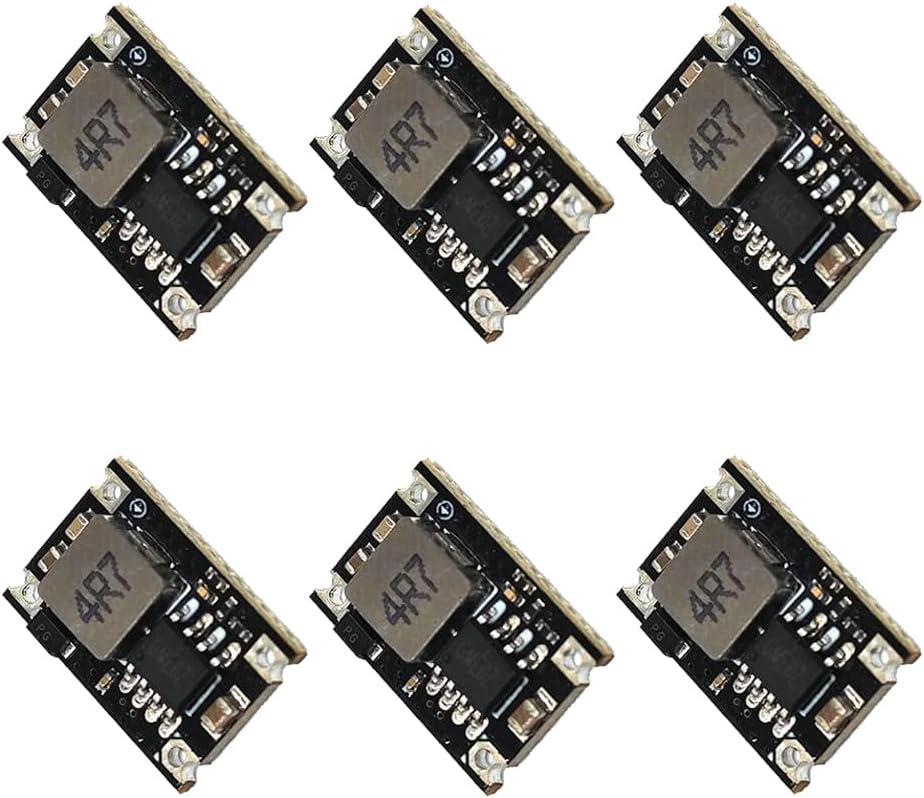
This buck converter module stands out as our top pick for its versatility and performance. It accepts a broad input range from 4.5V to 24V and delivers a steady 3.3V output suitable for most microcontrollers.
We may earn a commission when you buy through this link, at no additional cost to you.
With a maximum current of 1.8A and a switching frequency between 1MHz and 1.5MHz, it provides efficient power conversion with minimal heat generation. The ripple is kept below 30mV ensuring clean power for sensitive sensors.
While it handles most loads well, inductive components like motors require added diodes or capacitors to prevent back electromotive force damage. The tiny soldering pads also demand steady hands for DIY electronics.
Buy this if you need a compact efficient solution for multiple projects. The 5-pack ensures you have spares for future builds while maintaining excellent performance standards.
The broad input voltage support makes this module ideal for variable power sources like batteries or wall adapters without needing extra circuitry.
At just 17.5mm by 12mm it fits easily into wearable electronics and small enclosures where space is at a premium.
We may earn a commission when you buy through this link, at no additional cost to you.
This linear regulator pack offers an economical solution for low-power applications. The AMS1117-3.3 chip is a standard choice for dropping voltages safely in many electronic designs.
We may earn a commission when you buy through this link, at no additional cost to you.
It operates within a 4.75V to 12V input range and provides a fixed 3.3V output with up to 0.8A current. The dual-panel design simplifies connections for beginners or rapid prototyping.
Linear regulators dissipate excess voltage as heat so efficiency is lower than switching types. Ensure adequate ventilation or heat sinking if drawing near the maximum current limit.
Choose this if budget is your main concern and current needs are modest. The 10-pack makes it perfect for stocking up for classroom labs or maker groups.
The 3-pin layout with single row headers allows quick soldering to development boards without complex wiring.
Overheat shutdown circuit protects the chip from damage during high temperature conditions or accidental overloads.
We may earn a commission when you buy through this link, at no additional cost to you.
This Mini360 power module earns top marks for performance and build quality. It handles inputs from 5V to 30V making it versatile for automotive or industrial power sources.
We may earn a commission when you buy through this link, at no additional cost to you.
Output stays stable at 3.3V with ripple under 30mV and supports up to 1.5A current. The compact dimensions allow integration into tight spaces without sacrificing power delivery.
Users should add Zener diodes when driving inductive loads to avoid voltage spikes harming downstream components. The ultra-small form factor can also make manual soldering challenging.
Opt for this if reliability and size are critical. Its perfect rating suggests high customer satisfaction with consistent output under various load conditions.
Handling up to 30V input means you can safely use 12V or 24V supplies without additional voltage divider circuits.
Minimal ripple ensures sensitive analog sensors read accurately without noise interference from power conversion.
We may earn a commission when you buy through this link, at no additional cost to you.
This module is ideal for battery-powered devices needing step-up conversion. It accepts inputs as low as 1.8V and boosts them to a steady 3.3V for MCUs.
We may earn a commission when you buy through this link, at no additional cost to you.
With a 100mA limit it works well for low-power sensors and microcontrollers. The 5-pack provides enough units for several projects or backups.
High current loads like motors or displays will exceed its capacity causing shutdowns. Ensure your project stays within the safe current limits for reliable operation.
Choose this for portable gadgets running on single-cell batteries where voltage drops below 3.3V during use.
Boosting from 1.8V allows use with nearly discharged lithium batteries without losing system functionality.
Buying in a 5-pack ensures you have spares for prototypes and prevents delays from out-of-stock issues.
We may earn a commission when you buy through this link, at no additional cost to you.
This Dorhea pack offers a middle ground with standard AMS1117 performance at a reasonable cost. It handles up to 0.8A current suitable for most logic circuits.
We may earn a commission when you buy through this link, at no additional cost to you.
Linear regulation means some heat generation so airflow or heatsinks are recommended during extended use. The 3-pin design keeps wiring simple.
Efficiency drops when input voltage exceeds output by more than 2V so consider your supply voltage carefully. Overheat protection adds a safety margin against damage.
Select this if you need reliable steady output without the noise of switching regulators for audio or RF projects.
Seven units in one purchase save money and ensure availability when a module needs replacement during debugging.
Thermal shutdown prevents permanent damage if the ambient temperature rises too high during operation.
We may earn a commission when you buy through this link, at no additional cost to you.
This bulk pack is perfect for educators or teams needing many units. With 15 pieces you can supply multiple students or projects simultaneously.
We may earn a commission when you buy through this link, at no additional cost to you.
The AMS1117-3.3 provides reliable 3.3V regulation with low dropout for battery efficiency. Protection circuits safeguard against thermal damage.
Be mindful of thermal dissipation in tight enclosures. Linear regulators convert excess voltage to heat so ventilation is key.
Ideal for educational kits or prototyping lots where quantity matters more than ultra-high efficiency.
Fifteen units eliminate the need to track inventory constantly during workshops or teaching sessions.
Only 1V drop means better efficiency than standard regulators when running on batteries near 3.3V.
We may earn a commission when you buy through this link, at no additional cost to you.
This buck converter offers extreme size savings for wearable tech and tiny enclosures. It handles inputs from 5V to 30V with a 1.8A output.
We may earn a commission when you buy through this link, at no additional cost to you.
Switching at 1MHz to 1.5MHz it keeps ripple below 30mV for stable performance. The compact design is a key strength.
The lower customer rating suggests potential quality control variances. Test units before committing to a large production run.
Use this when physical space is the most critical design constraint in your PCB layout.
Measuring just 0.67 inches long it fits into the smallest wearable devices easily.
Low ripple ensures clean power even with high frequency switching that could otherwise cause interference.
We may earn a commission when you buy through this link, at no additional cost to you.
This module handles a wide input range from 4.5V to 30V making it flexible for diverse power sources. Each unit is tested before shipping to ensure basic functionality.
We may earn a commission when you buy through this link, at no additional cost to you.
It delivers up to 1.8A with low ripple for stable microcontroller operation. The compact size fits standard hobby electronics comfortably.
Lack of reviews means relying on specs alone. Verify voltage under load if using with sensitive equipment for the first time.
Good for projects needing wide input tolerance without sacrificing output stability.
Supports 30V inputs so you can use higher voltage adapters without additional step-down circuits.
Pre-shipping testing gives confidence that each unit meets basic output requirements before delivery.
We may earn a commission when you buy through this link, at no additional cost to you.
Designed specifically for 5V sources this module ensures clean 3.3V output for logic circuits. The narrow input range matches common USB power supplies.
We may earn a commission when you buy through this link, at no additional cost to you.
Overload protection and stable voltage output provide peace of mind. The 10-pack allows for multiple boards or prototypes.
Avoid using with inputs outside 4.5V to 7V as damage may occur. Current capacity is adequate for most microcontrollers.
Excellent choice for standard USB-powered projects needing regulated 3.3V power.
Accepts standard USB 5V power directly making it simple to power from laptops or adapters.
Ten units allow building several projects simultaneously without needing extra orders.
We may earn a commission when you buy through this link, at no additional cost to you.
This MP1584EN module is praised for efficiency and thin profile. At 3.6mm thick it fits under other components on dense PCBs easily.
We may earn a commission when you buy through this link, at no additional cost to you.
It delivers 1.8A with less than 30mV ripple. The 4.9 rating reflects high user satisfaction with reliability.
Inductive loads need extra protection to prevent back EMF damage. Manual soldering requires care due to small pads.
Choose this for high-density designs needing high current in minimal space.
The 3.6mm height allows stacking or placement under large components on PCBs.
Nearly perfect user scores indicate consistent manufacturing quality and reliable performance across units.
We may earn a commission when you buy through this link, at no additional cost to you.
Choosing the right regulator involves balancing efficiency size and current requirements. Consider these factors to avoid overheating or voltage instability in your design.
Ensure the regulator accepts your power source voltage. Modules range from 4.5V up to 30V depending on design. Using a supply outside this range can damage the device or cause unstable output.
Always match your battery or adapter voltage to the input specs for safe operation.
Check the maximum current rating against your load. Most modules offer 0.8A or 1.8A. Exceeding this causes voltage drops or thermal shutdowns.
Select a regulator rated at least 20% higher than your highest expected current draw.
Linear regulators like AMS1117 are simple and low noise but generate heat. Switching buck converters are efficient and cooler but add complexity and potential noise.
Choose linear for sensitive analog circuits and switching for high current or battery projects.
Compact modules save space on crowded PCBs. Some are under 20mm while others are larger. Verify dimensions match your enclosure or board design.
Consider soldering pad sizes when selecting for manual assembly projects.
Low ripple ensures clean power for microcontrollers and sensors. Look for specifications under 50mV for stable operation. High ripple can cause resets or data errors.
Prioritize low ripple modules for projects involving audio or precision sensors.
Built-in protection like overheat or overcurrent safeguards your project. Regulators without these risks damage if loads are accidentally shorted.
Select modules with thermal shutdown for better reliability in enclosed spaces.
Many come in packs of 5 to 15 which helps with spares. Larger packs reduce per unit cost significantly for bulk builds.
Buy multiple units if you plan to create several prototypes or teach classes.
Solder the VIN OUT and GND pins securely to your power source and load. Double check polarity before connecting power to avoid damaging components.
Add capacitors near input and output pins if your regulator requires them for stability. This reduces noise and improves performance under changing loads.
Monitor temperature during initial testing. If the module feels hot add airflow or a heatsink. Protect inductive loads with diodes to prevent reverse current spikes.
Yes many buck converters support up to 30V inputs so 12V works safely. Linear regulators may overheat with such large voltage drops so verify input specs carefully before connecting.
AMS1117 is a linear regulator that dissipates heat and is simple to use. Buck converters switch rapidly for high efficiency and less heat but require more careful layout.
Yes most buck modules need input and output capacitors near the pins to reduce noise. Check the datasheet for required values to prevent voltage instability.
High current draw or large voltage drops cause heat especially in linear regulators. Ensure proper ventilation or switch to a buck converter if heat persists during operation.
Motors generate voltage spikes during shutdown. Add a flyback diode across the motor terminals to protect the regulator and downstream components from damage.
Yes but the small pads require a fine tip soldering iron and steady hands. Use a magnifying glass and proper solder to avoid bridging pins during assembly.
The top picks cover different needs from bulk linear packs to efficient buck converters with high current. Each offers unique benefits depending on your project size power source and budget.
Prioritize current capacity and input range to ensure reliability. Always match the regulator specs with your load requirements to avoid performance issues.
Remember to check current prices and availability before purchasing as these change frequently. Verify you receive the correct module count to support your development plans.