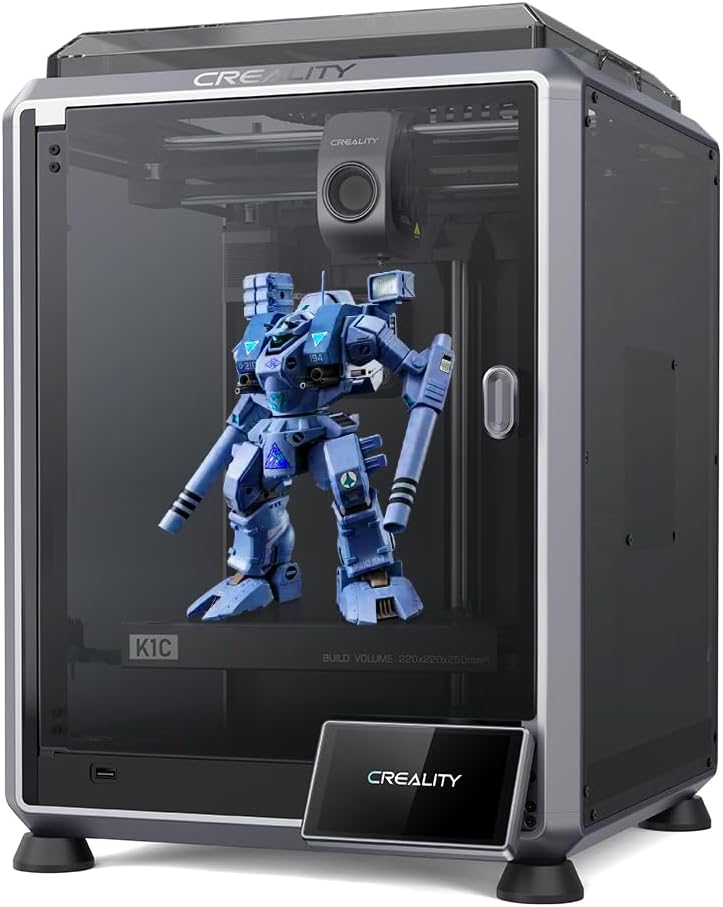
Creality K1C
4.3Editor score
300 C nozzle support
Direct extruder for carbon fiber
Auto calibration and leveling
This expert guide compares the top 3D printers for high temperature filaments like ABS and PC, evaluating speed, chamber heating, and nozzle capabilities.
Finding a reliable 3D printer for high temperature filaments requires careful consideration of chamber heating and nozzle capabilities. Engineers and makers need machines that can handle ABS, ASA, and Nylon without warping or clogging during long prints.
We analyzed ten leading models based on their ability to sustain high extrusion temperatures and maintain stable enclosure environments. Our comparison includes speed, build volume, multi-material support, and user-friendly features to help you choose the right tool for advanced projects.
Each pick showcases specific strengths tailored to different workflows, from hobbyist prototyping to industrial part production. While prices fluctuate frequently, these models represent the current best options for demanding thermoplastic materials available on the market today.
4.3Editor score
4.7Editor score

4.4Editor score
This side-by-side comparison highlights the key specifications of the top ten 3D printers capable of handling high temperature filaments. Look for nozzle limits, chamber heating, and build volume to match your specific engineering needs.


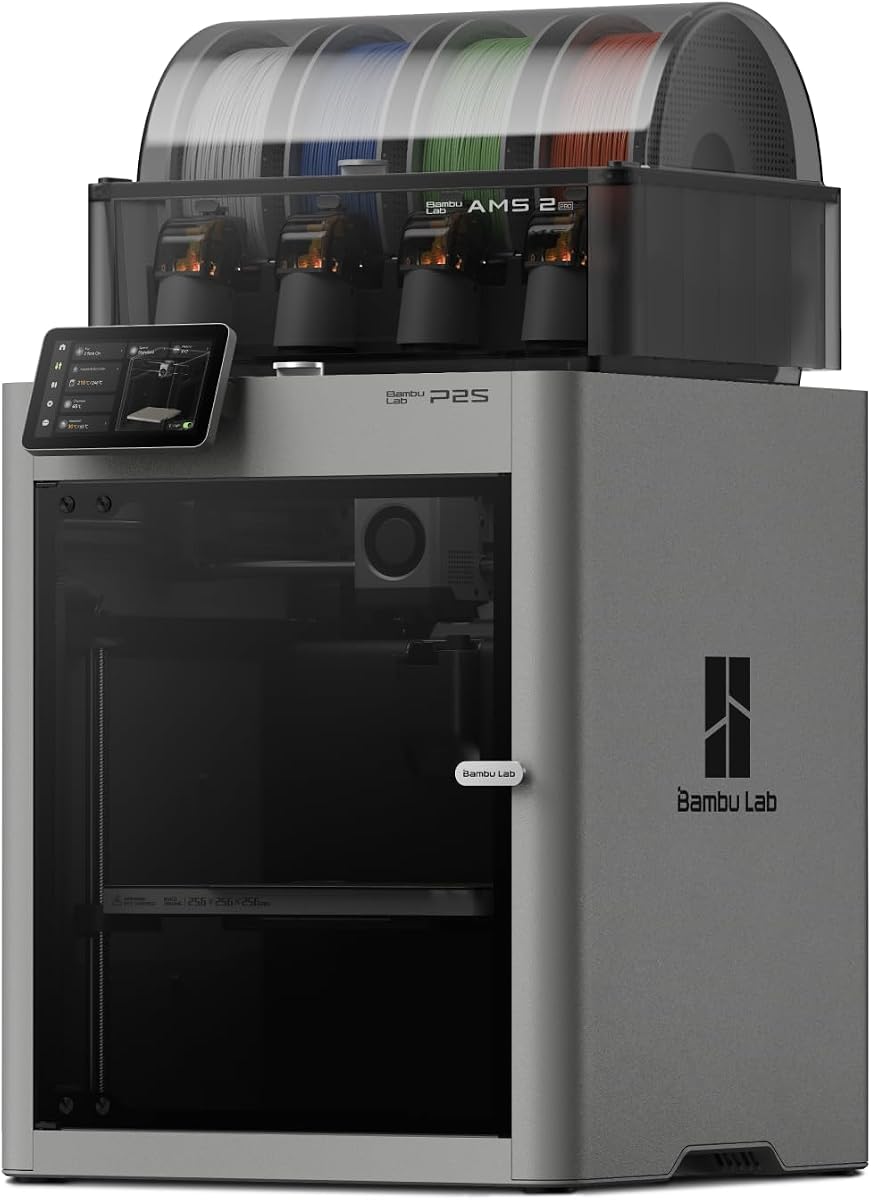
The Bambu Lab P2S Combo stands out as a top contender for high temperature filament printing with its robust thermal management. It achieves impressive speed while maintaining the stability needed for materials like ABS and ASA.
We may earn a commission when you buy through this link, at no additional cost to you.
Its Adaptive Airflow System automatically balances cooling and heat retention, ensuring overhangs stay crisp while the chamber maintains 50 degrees Celsius for engineering-grade materials. The AMS 2 Pro adds seamless multi-color capabilities with built-in filament drying.
While it is a significant investment, the precision and workflow efficiency justify the cost for professionals. The AI failure detection and quick-swap nozzles minimize downtime and maximize productivity.
Buyers looking for a reliable, fast, and versatile machine should consider this model first. It excels where other printers struggle with temperature consistency and material variety.
The adaptive system ensures consistent layer bonding for high temp materials without warping.
AI features and quick swaps reduce setup time and prevent costly print failures.
We may earn a commission when you buy through this link, at no additional cost to you.
The Creality K1C delivers high temperature performance on a budget with a 300 C nozzle and direct extruder. It supports carbon fiber and many abrasive filaments without frequent clogging.
We may earn a commission when you buy through this link, at no additional cost to you.
Its direct extruder with titanium alloy heatbreak blocks heat creep effectively while allowing easy nozzle swaps. The auto calibration saves significant time by leveling the bed and testing input shaping automatically.
The lack of a heated chamber may limit ABS printing in cold rooms, but it handles PETG and PC well enough for many projects. Users benefit from rapid acceleration and AI failure detection.
This printer is ideal for beginners or hobbyists wanting engineering-grade capabilities without the high cost. It offers excellent value for those focused on material versatility.
Steel-tipped copper nozzles and titanium heatbreaks ensure durability with carbon fiber.
Auto leveling and input shaping tests make setup nearly effortless for new users.
We may earn a commission when you buy through this link, at no additional cost to you.
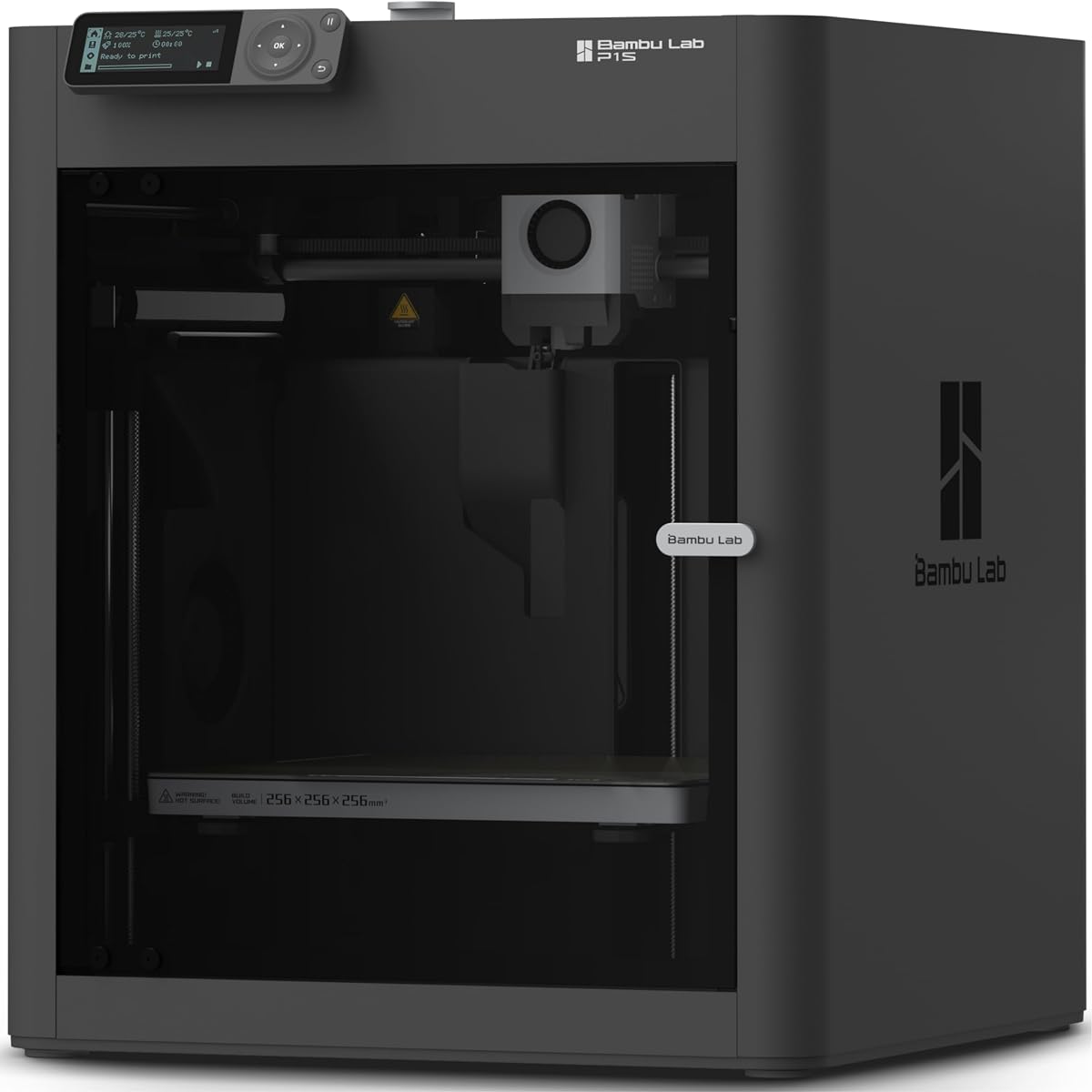
The Bambu Lab P1S provides a fully enclosed body that improves print performance for advanced filaments like ABS and PC. It is ready to use out of the box with minimal assembly required.
We may earn a commission when you buy through this link, at no additional cost to you.
Users benefit from lightning-fast speeds of 500 mm/s and reliable auto bed leveling for high-quality prints. While it lacks an internal heater, the insulation helps maintain a stable environment for many engineering materials.
It pairs well with the optional AMS for multi-color printing, though the base unit focuses on speed and reliability. The design is user-friendly and suitable for both hobbyists and professionals.
Those seeking a solid, enclosed printer without the cost of active heating should find this model sufficient. It balances speed, quality, and ease of use effectively.
The fully enclosed body reduces drafts and improves adhesion for temperature-sensitive materials.
Automatic calibration ensures consistent results without manual intervention or complex setup.
We may earn a commission when you buy through this link, at no additional cost to you.
The Bambu Lab A1 offers high-speed precision suitable for general printing and some high temperature materials. Its acceleration of 10,000 mm/s2 allows for rapid prototyping while maintaining accuracy.
We may earn a commission when you buy through this link, at no additional cost to you.
Full-auto calibration handles Z-offset, leveling, and flow rate compensation so users can start quickly. The quiet operation makes it suitable for shared spaces like homes or offices.
While it is less focused on extreme high temperature needs than other models, it handles materials like ABS and PETG well when paired with proper cooling. The quick-swap nozzle system simplifies maintenance.
Beginners will appreciate the simplicity and speed of this device. It is an excellent choice for those transitioning from basic printers to more capable machines.
The printer manages flow rate and leveling automatically to ensure consistent print quality.
A simplified touchscreen and motor noise canceling provide a comfortable user experience.
We may earn a commission when you buy through this link, at no additional cost to you.
The FLASHFORGE AD5X brings multi-color printing to high temperature applications with its IFS technology and 300 C nozzle. It supports a wide range of filaments including ABS and PETG with ease.
We may earn a commission when you buy through this link, at no additional cost to you.
Users can switch between four colors simultaneously using independent filament management, creating vibrant models without manual swaps. The fully automatic leveling system guarantees a perfectly leveled print bed every time.
While the build volume is modest, the speed and color versatility make it suitable for detailed prototypes. It is designed for both hobbyists and professionals needing rapid results.
This model is ideal for those wanting color variety without sacrificing material capability. It offers a strong balance of performance and usability.
IFS technology allows seamless printing with multiple colors simultaneously without mixing materials.
The 600 mm/s speed delivers rapid results while maintaining high-quality layer resolution.
We may earn a commission when you buy through this link, at no additional cost to you.
The FLASHFORGE Creator 5 Pro excels with an active chamber heating system maintaining up to 65 degrees Celsius for engineering-grade materials. It supports ABS, ASA, PC, and Nylon consistently across seasons.
We may earn a commission when you buy through this link, at no additional cost to you.
Four independent extruders allow true multi-color printing without color mixing or purging. The HEPA13 filtration system ensures a clean and safe printing environment by capturing volatile particles and odors.
Its industrial-grade speed and rigid all-metal frame deliver precision for high-throughput projects. Users benefit from automatic leveling and toolhead calibration for flawless first layers.
Professionals needing high performance and reliability will find this model worth the investment. It sets a new standard for industrial desktop 3D printing.
Stable 65 C chamber temperature ensures consistent interlayer adhesion for challenging polymers.
HEPA13 filtration and sealed enclosure protect users from fumes during long prints.
We may earn a commission when you buy through this link, at no additional cost to you.
The Anycubic Kobra S1 Max offers a massive 350 mm3 build volume for large-scale projects including helmets and functional prototypes. It comes equipped with a 350 C hotend and 65 C heated chamber for advanced materials.
We may earn a commission when you buy through this link, at no additional cost to you.
Its CoreXY system ensures high precision and stability even at 600 mm/s speeds. The hardened steel nozzle and titanium alloy throat tube provide durability for abrasive filaments.
Users benefit from real-time AI monitoring to detect issues like spaghetti failures or foreign objects early. This capability minimizes waste during long-duration prints of expensive materials.
Ideal for makers needing large parts with engineering-grade properties, this printer combines capacity with reliability. It is a strong choice for industrial prototyping.
The 350 C hotend supports advanced polymers that require extreme extrusion temperatures.
The expanded print area allows for fewer size limitations on complex projects.
We may earn a commission when you buy through this link, at no additional cost to you.
The Flashforge AD5X Multicolor delivers high temperature performance with a 300 C all-metal hotend for materials like ABS, Nylon, and Carbon Fiber. It features a 4-color direct printing system via IFS for vibrant prototypes.
We may earn a commission when you buy through this link, at no additional cost to you.
Auto leveling and a magnetic PEI spring steel plate ensure perfect first-layer adhesion every time. Dual-band Wi-Fi and a built-in HD camera allow real-time monitoring from anywhere via app.
While it requires an enclosure kit for optimal ABS results, it handles general high temp needs well. The 0.1 mm resolution provides studio-grade precision even at maximum speeds.
Users looking for color versatility at a competitive price will appreciate this model. It bridges the gap between hobbyist and professional capabilities.
The PEI spring steel plate improves part release and adhesion across different materials.
HD camera and app integration enable convenient monitoring and time-lapse creation.
We may earn a commission when you buy through this link, at no additional cost to you.
The Snapmaker U1 features four independent toolheads with a 5-second tool changer for true multi-material printing. It can combine rigid and flexible materials in a single print without manual intervention.
We may earn a commission when you buy through this link, at no additional cost to you.
Its robust locking mechanism is validated through over 1 million swaps with zero failures, ensuring reliability. The automatic toolhead offset calibration and vibration compensation deliver smooth dimensionally accurate prints.
Users benefit from reduced filament waste by avoiding traditional purging methods. It supports materials like PLA, ABS, ASA, PA, PC, and TPU for complex prototypes.
Ideal for makers needing multi-material parts efficiently, this machine offers unique versatility. The modular design allows for future expansion and customization.
The SnapSwap system enables rapid material changes without losing time or material.
Combine flexible and rigid parts in a single print for advanced functional designs.
We may earn a commission when you buy through this link, at no additional cost to you.
The FLASHFORGE Creator 5 Pro 4-Toolhead version slashes operational overhead by eliminating massive purge waste. Its 7-second FlashSwap changer switches nozzles without flushing filament for faster multi-color printing.
We may earn a commission when you buy through this link, at no additional cost to you.
Designed for industrial engineering, the active heated chamber maintains up to 65 C to prevent warping in advanced filaments. CoreXY motion and linear rails ensure rapid speeds without sacrificing accuracy.
Users benefit from dual HEPA 13 and activated carbon systems trapping ultrafine particles and fumes effectively. Remote control and time-lapse features enhance monitoring capabilities.
This model is perfect for businesses needing efficiency and material consistency. It minimizes costs while delivering high-quality industrial parts.
Independent toolheads eliminate purging between colors, saving material and time.
Dual filtration systems ensure a safe and odorless production environment.
We may earn a commission when you buy through this link, at no additional cost to you.
Selecting the right machine requires evaluating thermal stability, build volume, and software capabilities.
Ensure the printer supports at least 300 C for materials like PC and Nylon. Higher limits allow greater flexibility for engineering-grade applications.
Look for nozzles with hardened tips to resist wear from abrasive carbon fiber filaments.
An active heated chamber maintains a stable environment preventing warping during long prints. Models with 60 C to 65 C heating excel with ABS and ASA.
Passive enclosures are less effective but better than open frames for general high temperature work.
Consider the maximum part size you need to print. Larger volumes support helmets and functional prototypes without requiring assembly.
Balance build size with workspace availability to ensure the printer fits comfortably.
If you need color or mixed-material prints, look for independent extruders or IFS systems. These prevent purging and save material.
Some models require additional modules for multi-color support which adds to the overall cost.
High temperature materials release fumes that require proper ventilation. HEPA and activated carbon filters improve air quality significantly.
Enclosed units with filtration are recommended for indoor use to protect respiratory health.
Advanced software handles flow compensation and automatic leveling effectively. These features ensure consistent quality with minimal manual setup.
User-friendly interfaces reduce learning curves and increase productivity for users of all levels.
Higher speeds and acceleration reduce print times significantly. Look for 500 mm/s and 20,000 mm/s2 for fast prototyping.
Vibration compensation helps maintain precision even at high speeds preventing ringing artifacts.
Balance cost against features to get the best value for your specific needs. Premium machines offer better consistency but come with higher price tags.
Consider long-term savings from reduced waste and reliability when evaluating initial costs.
Always preheat the chamber and nozzle sufficiently before starting a print to ensure proper adhesion and extrusion flow. Allow the machine to reach thermal equilibrium before laying the first layer.
Use a brim or skirt to improve bed adhesion when printing large parts. This reduces warping and ensures the object stays fixed during cooling.
Regularly clean the nozzle and replace it if signs of wear appear. High temperature materials degrade parts quickly so maintenance is essential for consistent quality.
ABS and ASA typically require nozzle temperatures between 240 and 260 C. A heated chamber of at least 40 C is ideal to prevent warping.
While not mandatory, enclosures significantly reduce warping risks for ABS and PC. Closed frames help maintain a stable environment for consistent prints.
Clean the nozzle regularly and use high-quality filament to reduce debris. Ensure the hotend is properly cooled to prevent heat creep issues.
Polycarbonate requires 300 C nozzle temperatures and high chamber heat. Only printers rated for these temps can reliably handle PC filament.
Warping occurs when layers cool unevenly and shrink. Enclosed chambers help reduce this effect by keeping ambient temperature stable.
High temperature filaments release fumes that need filtration. Use printers with HEPA and carbon filters for safe indoor environments.
The top picks offer a range of options from budget to premium for engineering-grade printing. The Bambu Lab P2S leads with advanced airflow while the Creality K1C provides value.
Prioritize chamber heating and nozzle limits based on the materials you plan to use. Safety and ease of use also play vital roles in daily workflow.
Remember that prices and availability change frequently so check current listings before purchasing. Investing in the right machine ensures consistent quality for your advanced projects.