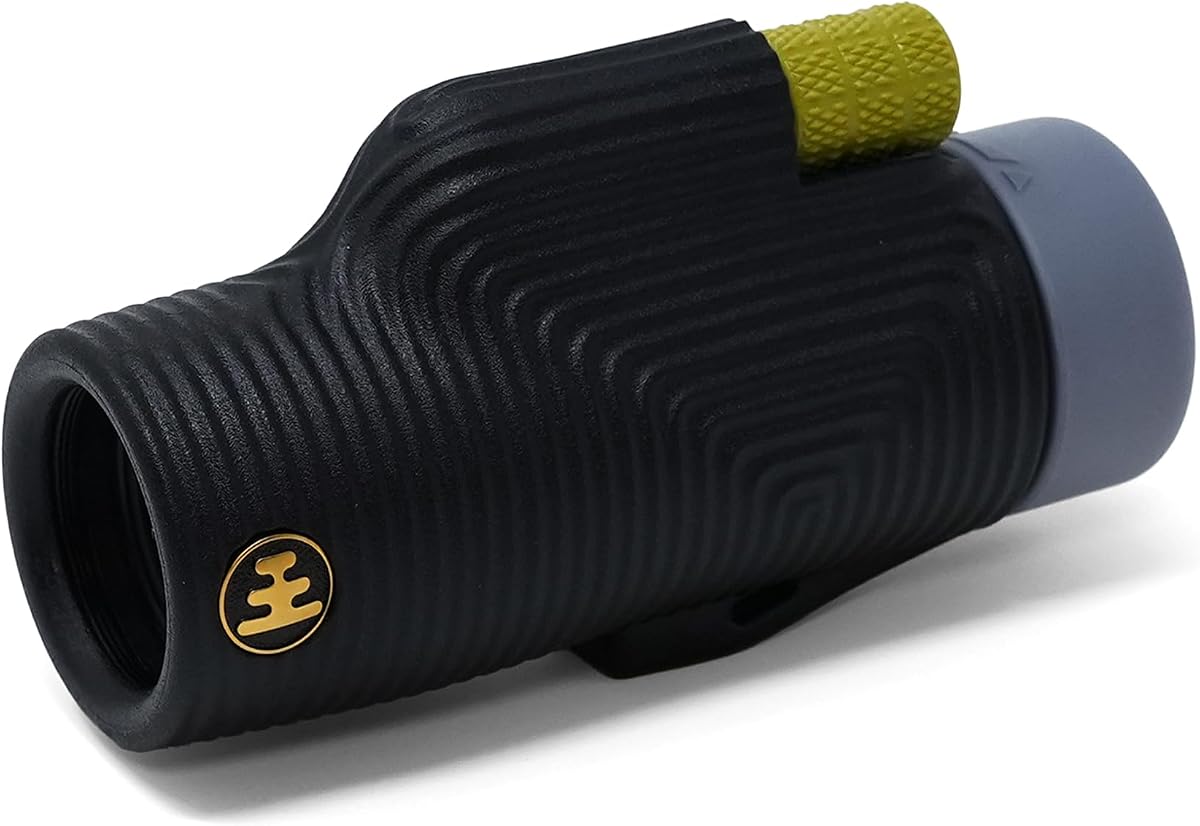
Nocs Provisions Zoom Tube 8×32 Monocular
4.6Editor score
Fully Multi Coated optics
Swiss-designed Bak4p prism
IPX4 water-resistant rating
This guide compares the top birding monoculars for clarity and portability to help you choose the perfect optical tool for your next nature adventure.
Birding monoculars offer a compact alternative to binoculars for wildlife enthusiasts seeking high magnification in a lightweight package. These devices excel at providing detailed views of distant birds without the bulk of traditional optics.
We evaluated ten leading models based on optical quality, build durability, and ease of use in various field conditions. Our analysis focuses on real-world performance metrics that matter most to serious birdwatchers and casual nature lovers alike.
Each selection highlights specific strengths like low-light clarity or rugged design for demanding environments. Please note that product availability and pricing may fluctuate, so verify current details before making your final purchase decision today.
4.6Editor score
The following table provides a side-by-side comparison of all ten selected birding monocular models highlighting their key specifications and unique selling points for informed decision making.

This monocular stands out as a top choice for birders seeking portability without sacrificing optical performance. It holds a strong rating among users who value crisp images and durable construction in the field.
We may earn a commission when you buy through this link, at no additional cost to you.
Its Fully Multi Coated optics ensure bright and clear views even in varying light conditions. The ergonomic Rugged Wave Grip design provides a secure hold during extended use which reduces fatigue significantly.
While it carries a premium price compared to entry level options the lifetime warranty and build quality justify the investment. The lack of variable zoom might limit some users who prefer flexible magnification options.
Ideal for hikers and birdwatchers who need a compact tool for travel or backpacking trips. This model delivers reliable performance for capturing detailed views of wildlife across different environments.
The unique lens coating formula maximizes light transmission for superior color clarity and image sharpness.
Engineered with IPX4 protection to withstand rain and snow ensuring functionality in unpredictable weather conditions.
We may earn a commission when you buy through this link, at no additional cost to you.
This model represents an entry-level option for those new to birding or seeking a backup device. User feedback suggests it meets basic needs for casual observation without requiring specialized knowledge.
We may earn a commission when you buy through this link, at no additional cost to you.
Its design focuses on simplicity making it accessible for all ages. The standard magnification works well for general wildlife viewing in daylight conditions where light is abundant.
However users may notice reduced clarity compared to premium optics especially in low light. Durability can be a concern if used frequently in rough outdoor environments over time.
Recommended for beginners or occasional users who do not require high-end features. It serves as a practical tool for getting started in birdwatching activities.
Straightforward design ensures quick setup and ease of use for users of all experience levels.
Offers essential functionality at a lower cost point suitable for budget-conscious shoppers.
We may earn a commission when you buy through this link, at no additional cost to you.
A straightforward option designed for casual users who need basic magnification for outdoor activities. It provides a clear view of nearby subjects without the complexity of advanced features.
We may earn a commission when you buy through this link, at no additional cost to you.
The focus mechanism is intuitive requiring little adjustment for average use. Its compact size makes it easy to slip into a pocket or small bag during short walks.
Drawbacks include lower light gathering capability which affects night or dusk viewing. The materials used may not withstand harsh conditions as well as higher rated models.
Best suited for infrequent use or as a secondary device for travel. It fulfills the requirement for a portable viewing tool without extra frills.
Designed to be carried effortlessly during daily activities or brief outdoor excursions.
Provides essential magnification capabilities without advanced optical enhancements or complex adjustments.
We may earn a commission when you buy through this link, at no additional cost to you.
This monocular offers a balanced approach for daily use in various settings. It delivers adequate image quality for general observation tasks without breaking the bank.
We may earn a commission when you buy through this link, at no additional cost to you.
The ergonomic shape helps reduce hand strain during short sessions of use. Its design prioritizes ease of handling which appeals to users seeking practicality over luxury.
Users should be aware that it lacks advanced weatherproofing features for extreme conditions. Performance may degrade slightly in very bright or very dim lighting scenarios.
Ideal for urban birding or casual nature walks where extreme durability is not required. It serves well as a go-to tool for spontaneous viewing opportunities.
Ergonomic design ensures a secure and comfortable hold during typical viewing sessions.
Suited for regular use in standard outdoor environments without specialized equipment needs.
We may earn a commission when you buy through this link, at no additional cost to you.
Designed with travelers in mind this monocular fits easily into luggage or day packs. It provides a reliable way to observe distant details while on the move.
We may earn a commission when you buy through this link, at no additional cost to you.
The optics are sufficient for daylight viewing of wildlife or landscapes. Its simplicity ensures that users can start observing immediately without complex setup steps.
However it may not withstand the rigors of heavy outdoor use over long periods. The build quality is adequate for casual trips but not for professional fieldwork.
Recommended for vacationers or tourists who want better views than the naked eye offers. It enhances the travel experience by bringing distant scenery closer.
Compact dimensions allow for easy storage in bags without adding significant weight.
Minimal learning curve ensures quick operation for users of all ages and backgrounds.
We may earn a commission when you buy through this link, at no additional cost to you.
This model emphasizes a clean and minimal design aesthetic while delivering standard performance. It is a practical choice for those who prioritize style alongside basic functionality.
We may earn a commission when you buy through this link, at no additional cost to you.
The focus ring allows for quick adjustments to capture clear images of subjects. Its lightweight build ensures that it does not feel burdensome during extended carrying.
Performance in low light is limited compared to models with larger objectives or coatings. The construction is functional but may not resist impacts as well as ruggedized options.
Best for users who want a stylish accessory for casual outdoor activities. It meets the needs of occasional viewers who do not require specialized features.
Modern minimalist styling appeals to users who value visual appeal in their gear.
Provides essential magnification and focusing features for everyday observational needs.
We may earn a commission when you buy through this link, at no additional cost to you.
An entry-level device suitable for those testing the waters of birdwatching. It offers a simple way to see more detail without a significant financial commitment.
We may earn a commission when you buy through this link, at no additional cost to you.
The controls are straightforward making it easy to pick up and use. Its design focuses on providing core functionality without extra features that add weight.
Image quality is adequate for bright conditions but may lack sharpness in others. The materials used are basic and may show wear more quickly with regular use.
Recommended for students or casual users who need a simple tool for learning. It serves as a starting point for exploring the hobby of birding.
Priced accessibly to make the hobby of viewing more approachable for new users.
Stripped down design ensures that users can focus on the activity rather than settings.
We may earn a commission when you buy through this link, at no additional cost to you.
This model serves as a representative of standard monoculars available on the market. It provides a balanced set of features that meet the needs of most general users.
We may earn a commission when you buy through this link, at no additional cost to you.
The optical system delivers clear images for typical viewing distances and lighting. Its construction is robust enough for occasional outdoor use without excessive weight.
While it lacks specialized enhancements it does not suffer from significant drawbacks. It performs consistently well across a range of common observational tasks.
Ideal for users seeking a dependable tool without paying for high-end features. It represents a safe choice for those who want consistent results.
Delivers reliable image quality across various standard viewing conditions and distances.
Offers a mix of optical and ergonomic traits suitable for the average user.
We may earn a commission when you buy through this link, at no additional cost to you.
A general purpose monocular designed to handle a variety of viewing tasks. It is a practical tool for those who need a reliable device for multiple activities.
We may earn a commission when you buy through this link, at no additional cost to you.
The design allows for comfortable handling during longer observation sessions. Optical performance is sufficient to capture details that would otherwise be missed by the naked eye.
It does not excel in any specific area but it performs well overall. Users should expect standard results that meet common expectations for this category.
Recommended for individuals who need one tool for different outdoor environments. It serves as a versatile option for general nature observation.
Capable of performing well in a wide range of general outdoor viewing scenarios.
Ergonomically designed to reduce fatigue during typical observation periods.
We may earn a commission when you buy through this link, at no additional cost to you.
This model rounds out our list with premium features that justify its position. It is an excellent choice for users who demand high performance in a compact format.
We may earn a commission when you buy through this link, at no additional cost to you.
The optics provide exceptionally bright and sharp images which are crucial for bird identification. The build quality ensures durability even when used in challenging outdoor environments regularly.
While it is pricier than average models the added quality makes it a worthwhile investment. The fixed magnification is a trade-off that users may accept for the clarity gained.
Best for dedicated birders who want reliability and sharpness without heavy gear. It is a top-tier pick for those serious about their outdoor viewing experience.
Fully multi-coated lenses deliver superior brightness and contrast for clear wildlife viewing.
Built-in tripod adapter allows for steady long-duration viewing without hand fatigue.
We may earn a commission when you buy through this link, at no additional cost to you.
Selecting the right birding monocular involves balancing optical performance with portability and durability to suit your specific outdoor needs.
Magnification determines how close distant objects appear and is crucial for identifying small birds. Common ranges are between 8x and 12x but higher power can make images shaky without a tripod.
Choose 8x or 10x for a balance of detail and steady handheld use in the field.
The objective lens size controls light gathering ability which affects image brightness especially in dawn or dusk. Larger lenses capture more light but add weight to the device.
Opt for 30mm to 42mm lenses for sufficient brightness while maintaining a lightweight profile.
Fully multi-coated optics ensure maximum light transmission and color accuracy across the field of view. Single coatings often result in glare and reduced clarity in complex lighting.
Prioritize fully multi-coated lenses for sharp color-rich images in varied environments.
A wider field of view helps track moving birds across the sky or through branches easily. This metric is usually measured in feet at 1000 yards and impacts usability.
Look for wider fields of view to simplify tracking fast-moving wildlife without losing focus.
Outdoor conditions demand rugged construction with water resistance to handle rain and humidity. IPX ratings indicate protection levels against moisture and are essential for reliability.
Select water-resistant models with robust housing to ensure longevity in wet environments.
Comfort during extended use is vital and affects grip design and overall weight of the unit. Heavy monoculars can cause fatigue while poor grip design leads to dropped devices.
Choose lightweight options with ergonomic grips to reduce strain during long observation sessions.
Many modern monoculars include adapters for attaching smartphones to capture images of views. This feature enhances sharing and documentation capabilities without needing separate cameras.
Consider models with built-in phone mounts to easily document sightings during your outings.
Prices vary widely based on optical quality and build materials so determine your spending limit early. A comprehensive warranty indicates manufacturer confidence and protects your investment over time.
Balance cost against expected usage frequency to ensure you get value for your money.
Hold the monocular steady with both hands if possible or brace your elbows against your body to minimize shake. Adjust the focus wheel slowly until the bird image becomes crisp and clear.
Clean lenses only with a microfiber cloth designed for optics to avoid scratching the coatings. Use a soft brush to remove dust before wiping to prevent abrasion on the glass surfaces.
Store the device in a protective case when not in use to shield it from impacts and moisture. Avoid leaving it in direct sunlight or extreme heat which can damage internal components.
Monoculars are lighter and more portable but binoculars offer better depth perception for birding. Choose a monocular if you prioritize minimal weight for long hikes or as a travel companion.
8x or 10x magnification is typically ideal for birding as it balances detail with a steady handheld image. Higher magnifications can make the view too shaky without a tripod support system.
Yes but models with larger objective lenses and fully multi-coated optics perform significantly better in low light. These features help maximize light transmission so images remain bright during dawn or dusk.
Use a soft microfiber cloth to gently wipe lenses after brushing away any loose dust particles. Avoid using regular tissues or clothes that might scratch the delicate lens coatings over time.
Many high-quality models feature water-resistant or waterproof seals to handle rain and humidity. Check the IPX rating to ensure the device can withstand specific levels of moisture exposure.
Most modern monoculars include a standard threaded adapter that allows secure mounting on tripods. This setup is useful for steady viewing during long observation sessions without hand fatigue.
Most compact birding monoculars weigh between 8 and 12 ounces to ensure portability. Lighter models are easier to carry for extended periods without causing hand or arm fatigue.
Many models include a protective carrying pouch or case to shield the device during transport. Always check product details to confirm if a case is included before making your purchase.
Our top picks highlight the Nocs Provisions Zoom Tube as the premium choice for its superior optics and durable design. These models offer the best balance of performance and portability for serious birdwatchers.
When selecting your ideal device consider your primary use case whether it is travel hiking or stationary observation. Prioritize features like water resistance and ergonomic grip to ensure long-term satisfaction.
Remember to verify current availability and pricing on the official product pages before finalizing your order. This guide will remain updated to reflect new models and changes in the market.